
Research
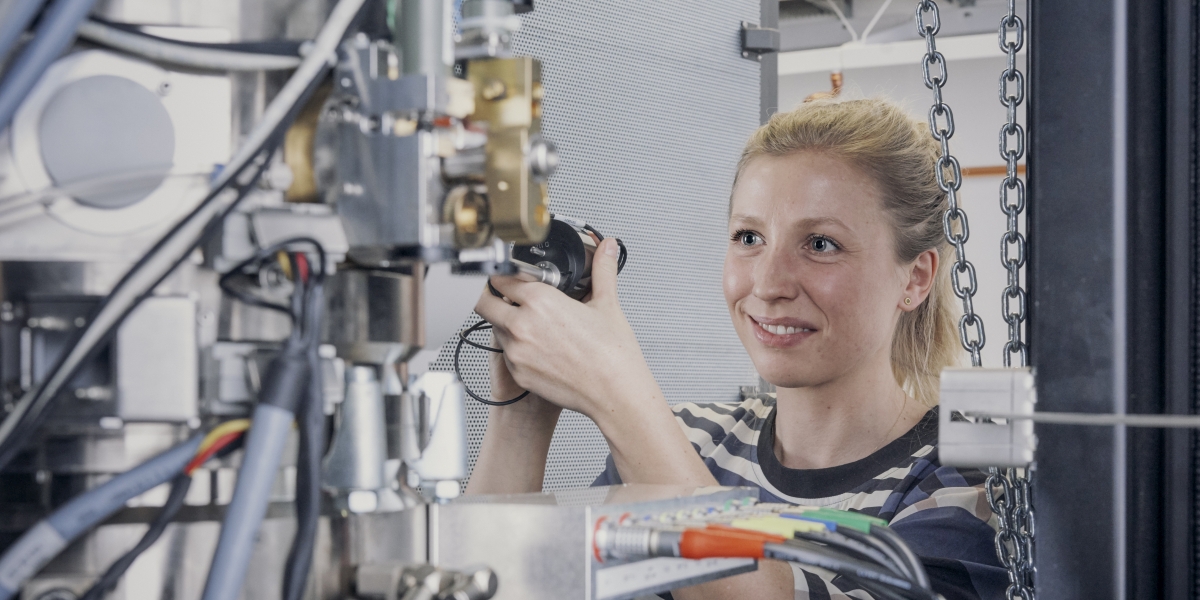
Some researchers spend an entire lifetime conducting research and never publish a scientific paper as first author. Luise Kink succeeded, as a regular master’s student at KIT at just 25 years of age. She explains how it happened in clicKIT.
Mehr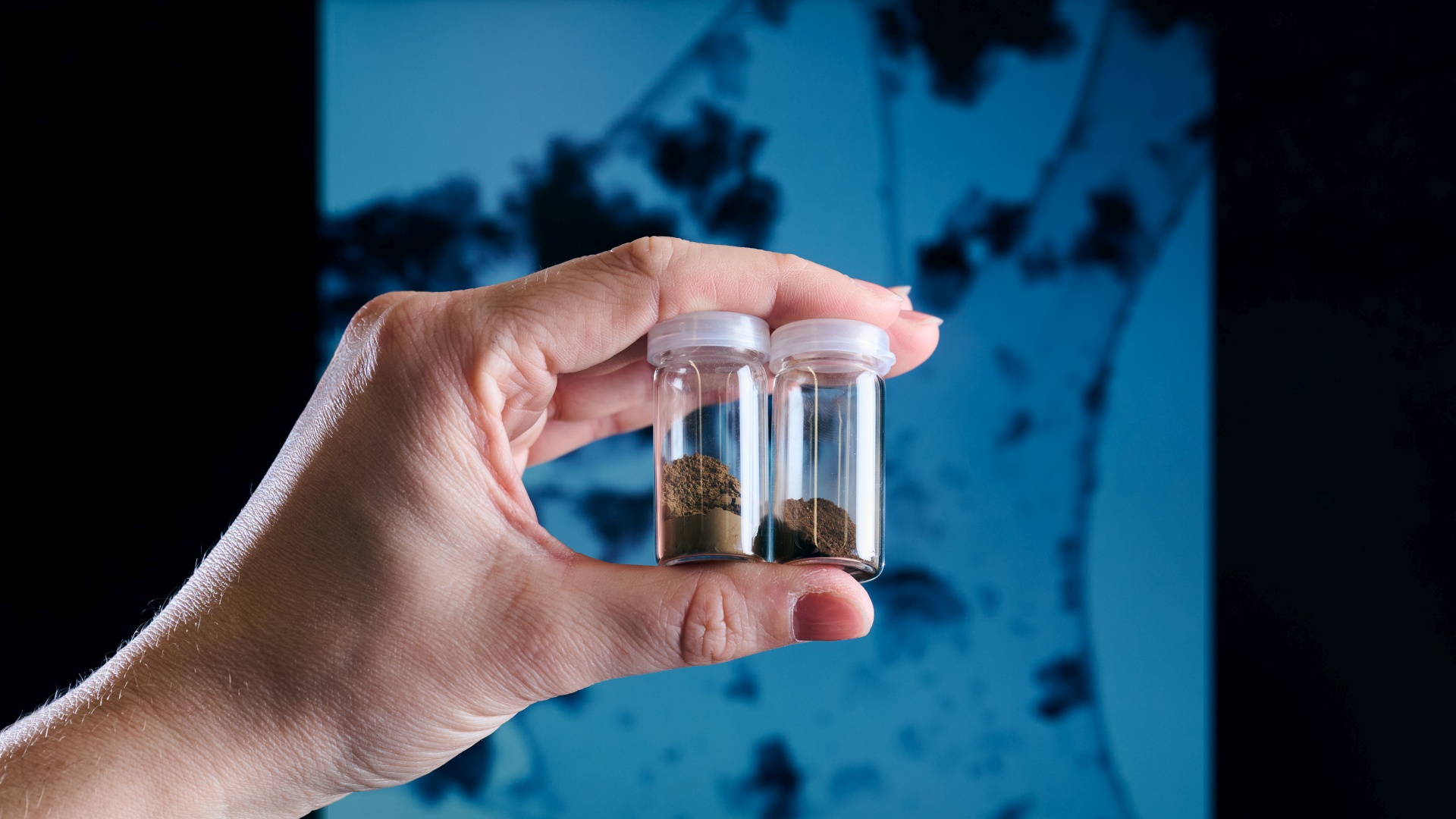
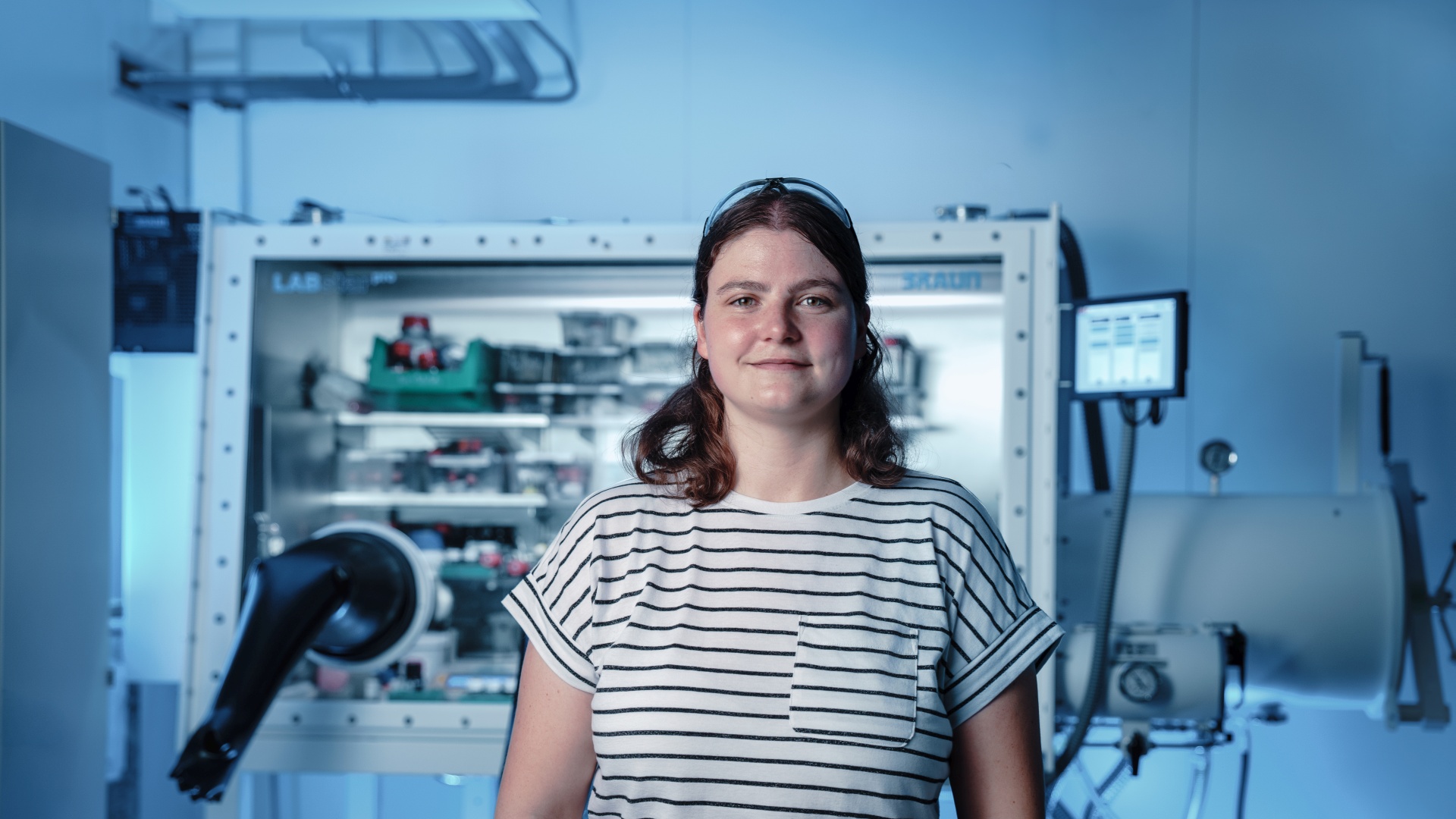
The cost-effective use of alternative, sustainable energy sources is playing an increasingly important role. Tenure-track professor Johanna Schröder focuses on renewable hydrogen production and explains how essential this process is for sustainable energy storage.
Mehr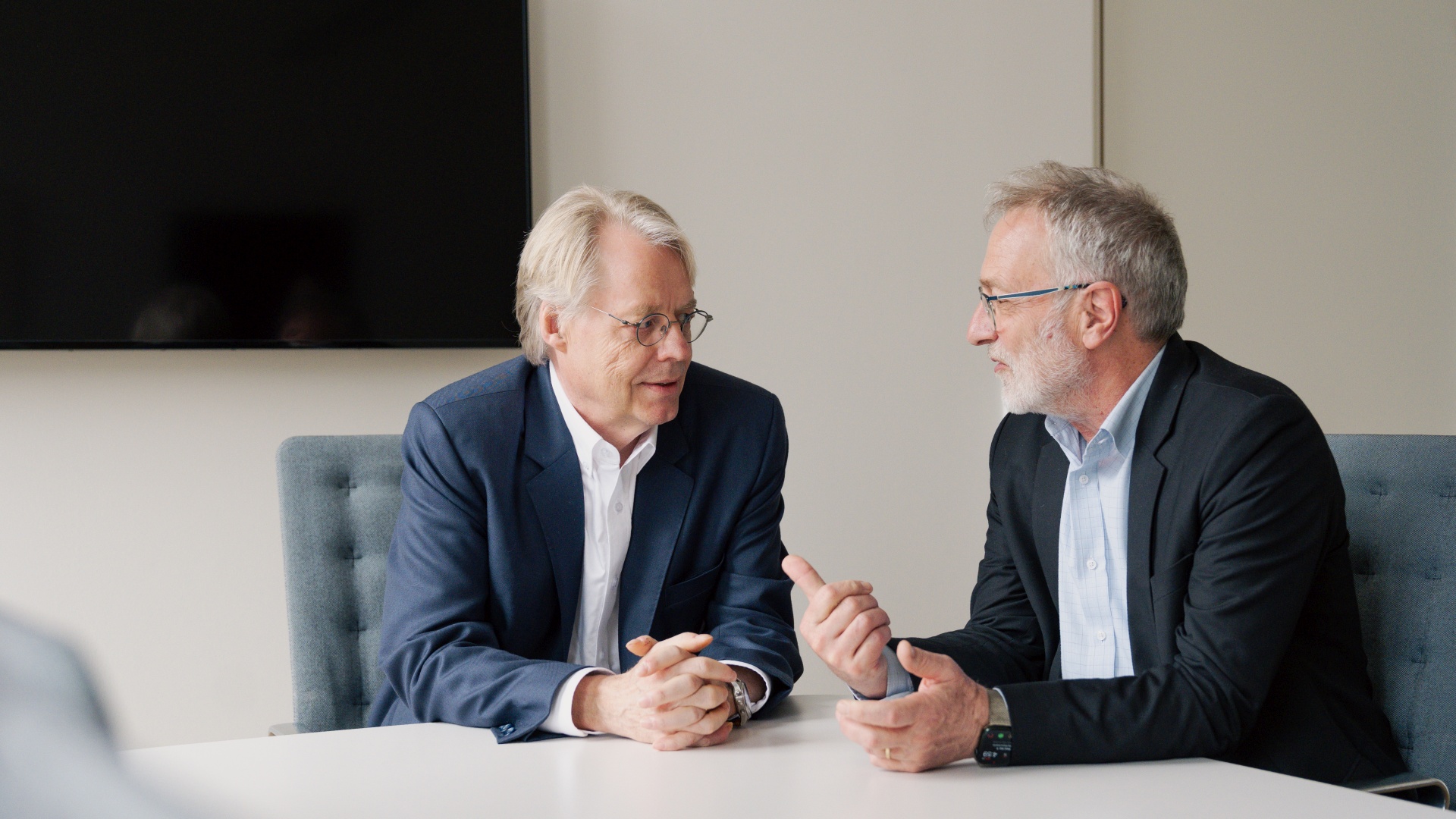
Helmholtz President Martin Keller visited KIT in March and had the opportunity to learn about ongoing research, speak with KIT’s early-career researchers and visit some of our unique infrastructure. In a common interview, he and KIT President Jan S. Hesthaven discussed upcoming priorities and KIT’s special role within the Helmholtz Association.
Mehr
Researchers today produce more data than ever before. At the same time, AI is increasing the energy requirements of data centers. How can both be organized responsibly? Professor Achim Streit explains why good research data management and new concepts for data centers go hand in hand.
Mehr
Artificial intelligence (AI) is now embedded in nearly every aspect of text, image, and video processing. Yet we often don’t fully understand how AI arrives at its results. This understanding is crucial if we want to use AI reliably in critical areas such as energy supply. That is precisely what tenure-track professor Benjamin Schäfer at KIT is working on.
Mehr