Combating Discrimination and Barriers – Contact Points at KIT
Equal opportunity and acceptance are essential prerequisites

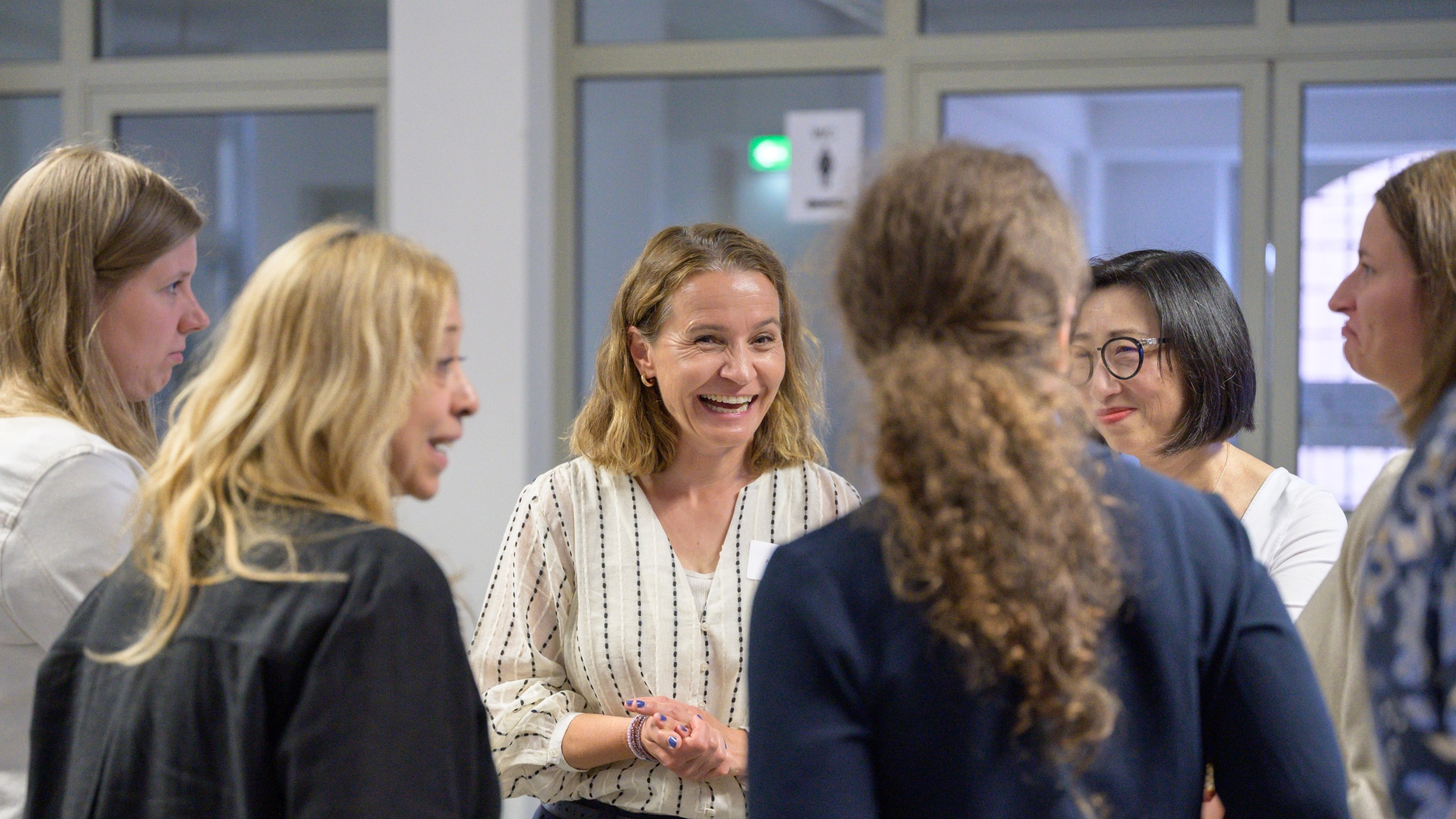
Making the right decision about a first job can often be challenging when coming straight out of university. The project Alumni4Students@KIT, run by Career Service & Alumni and House of Competence, brings students together with alumni. Alumni share their experiences from their first years of professional life with those who are about to make the transition themselves. In the end, everyone benefits from the exchange.
Mehr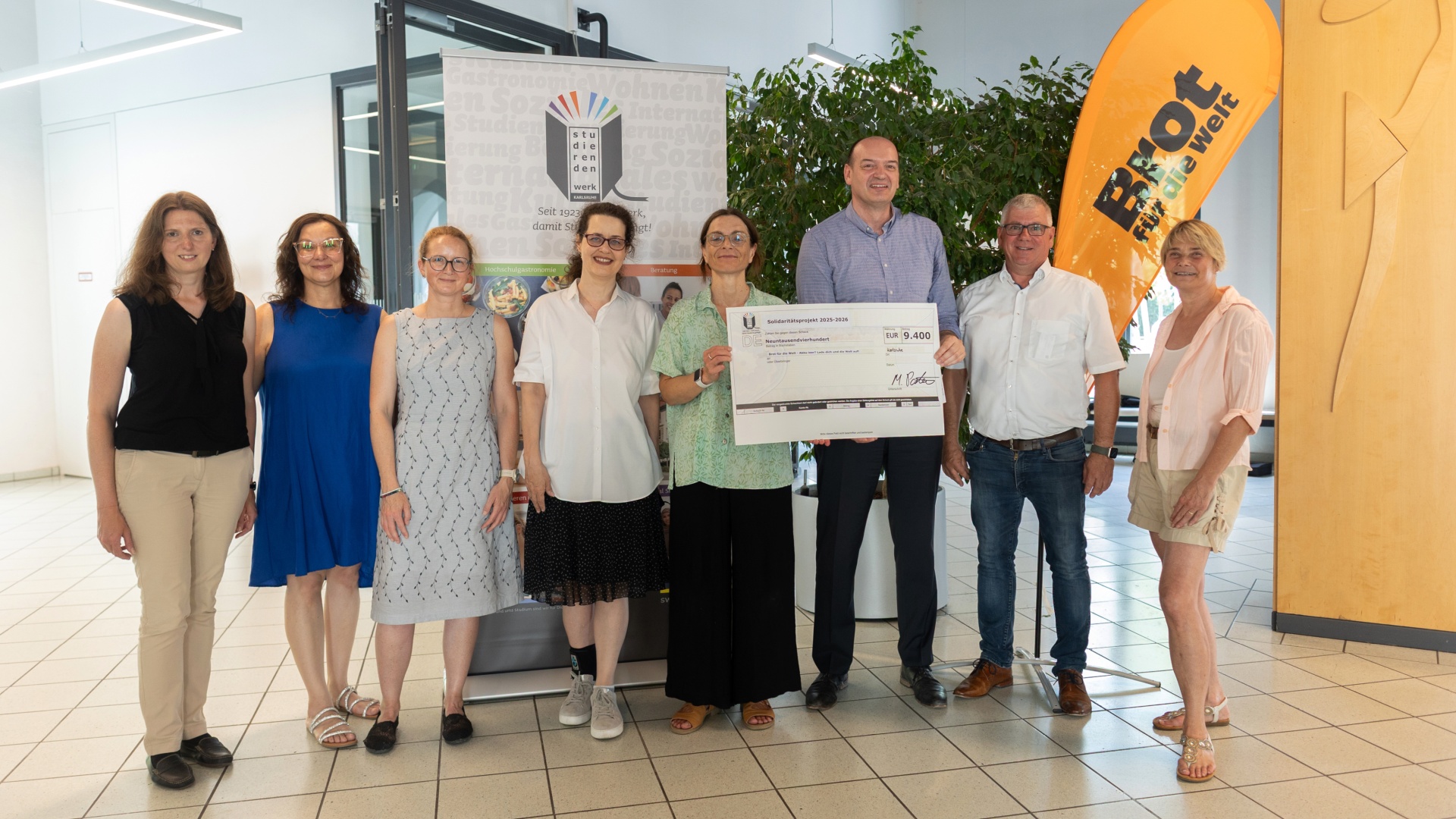
For more than 20 years, the “Soli-Essen” in the student dining halls operated by the Studierendenwerk Karlsruhe has been combining everyday campus life with global responsibility. With small contributions, you can support international aid projects while having lunch. Most recently, 9,400 euros was raised for a project related to lithium mining in Bolivia. And the next solidarity campaign has already begun!
Mehr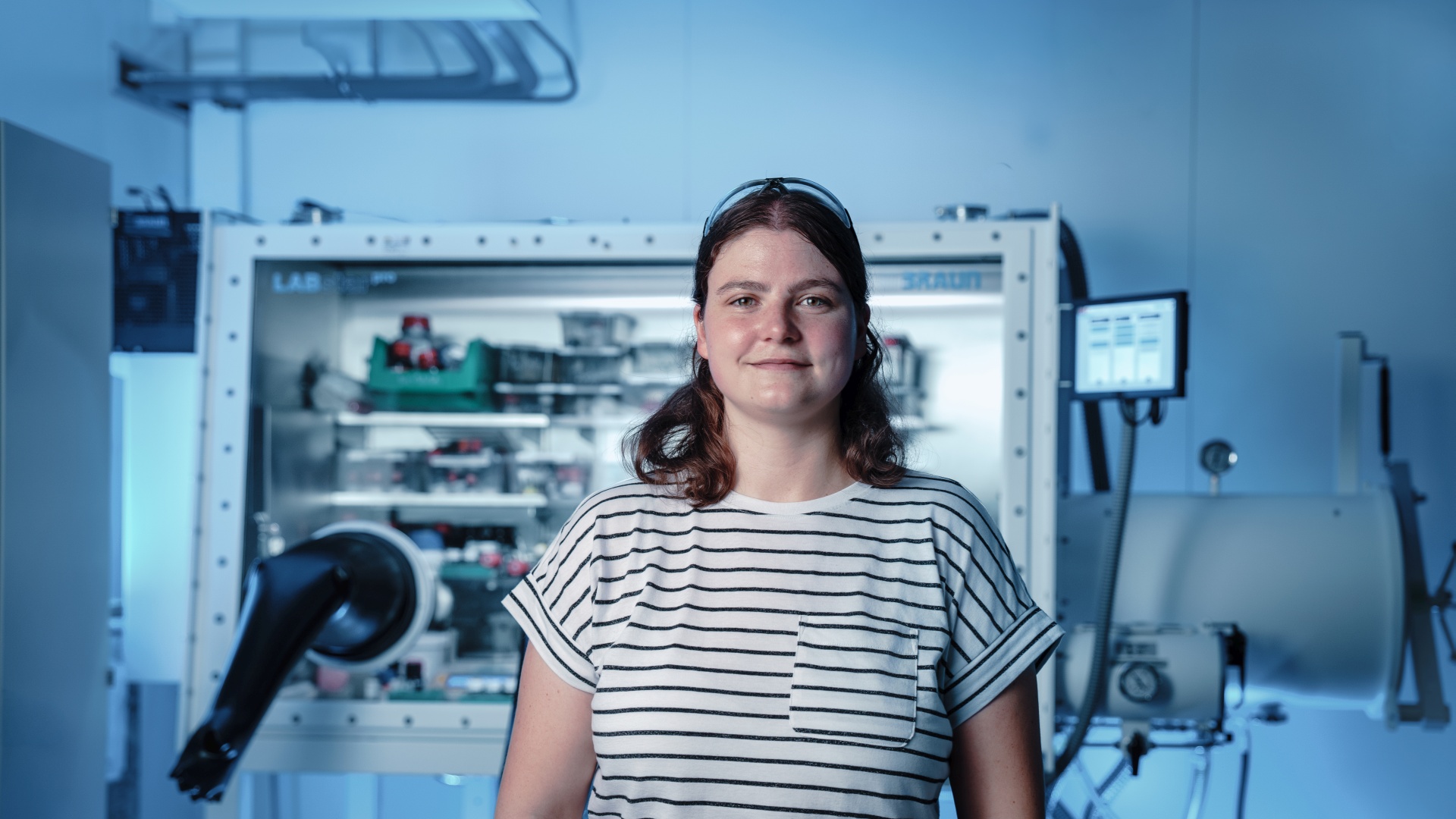
Some researchers spend an entire lifetime conducting research and never publish a scientific paper as first author. Luise Kink succeeded, as a regular master’s student at KIT at just 25 years of age. She explains how it happened in clicKIT.
Mehr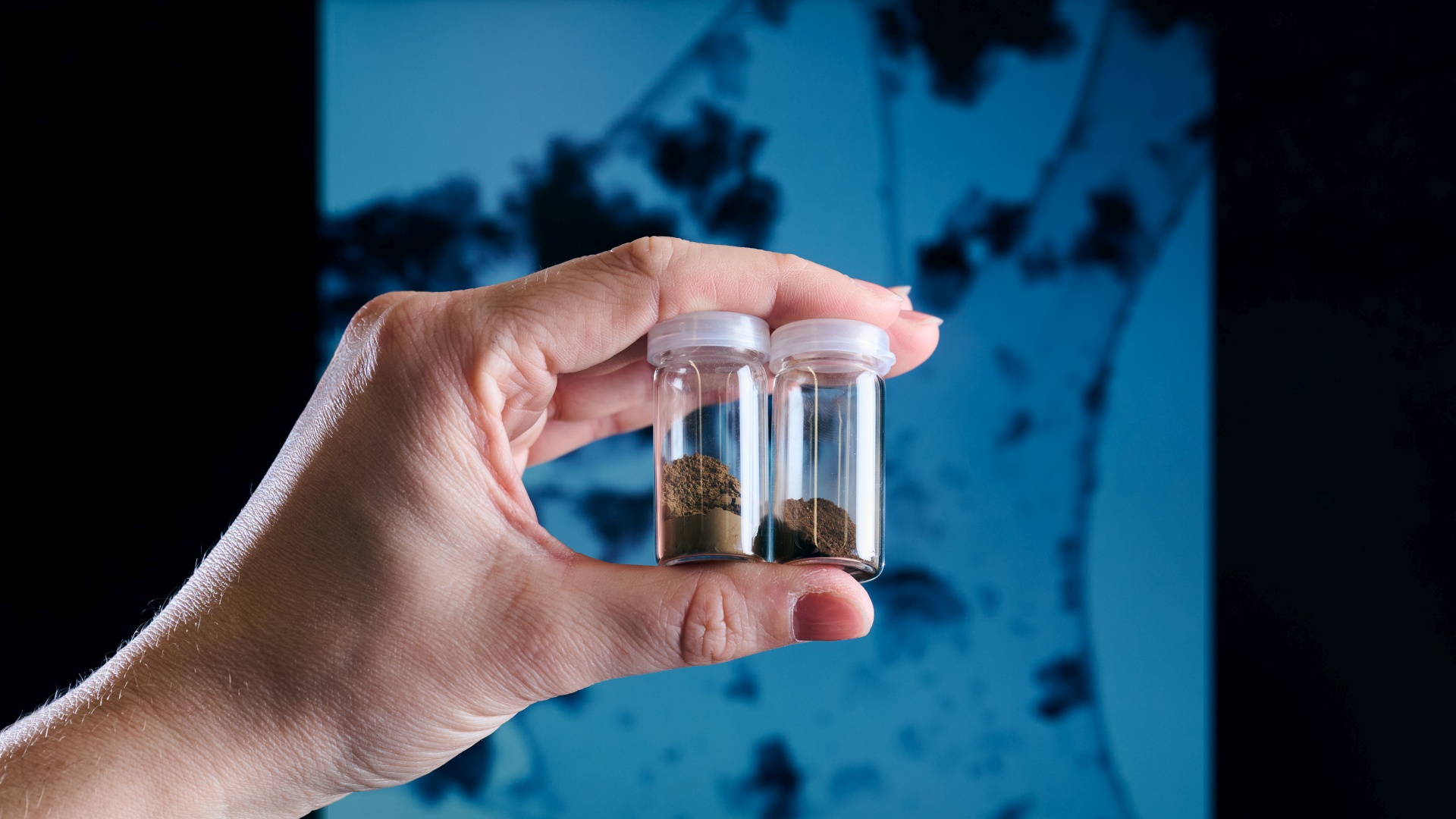
The cost-effective use of alternative, sustainable energy sources is playing an increasingly important role. Tenure-track professor Johanna Schröder focuses on renewable hydrogen production and explains how essential this process is for sustainable energy storage.
Mehr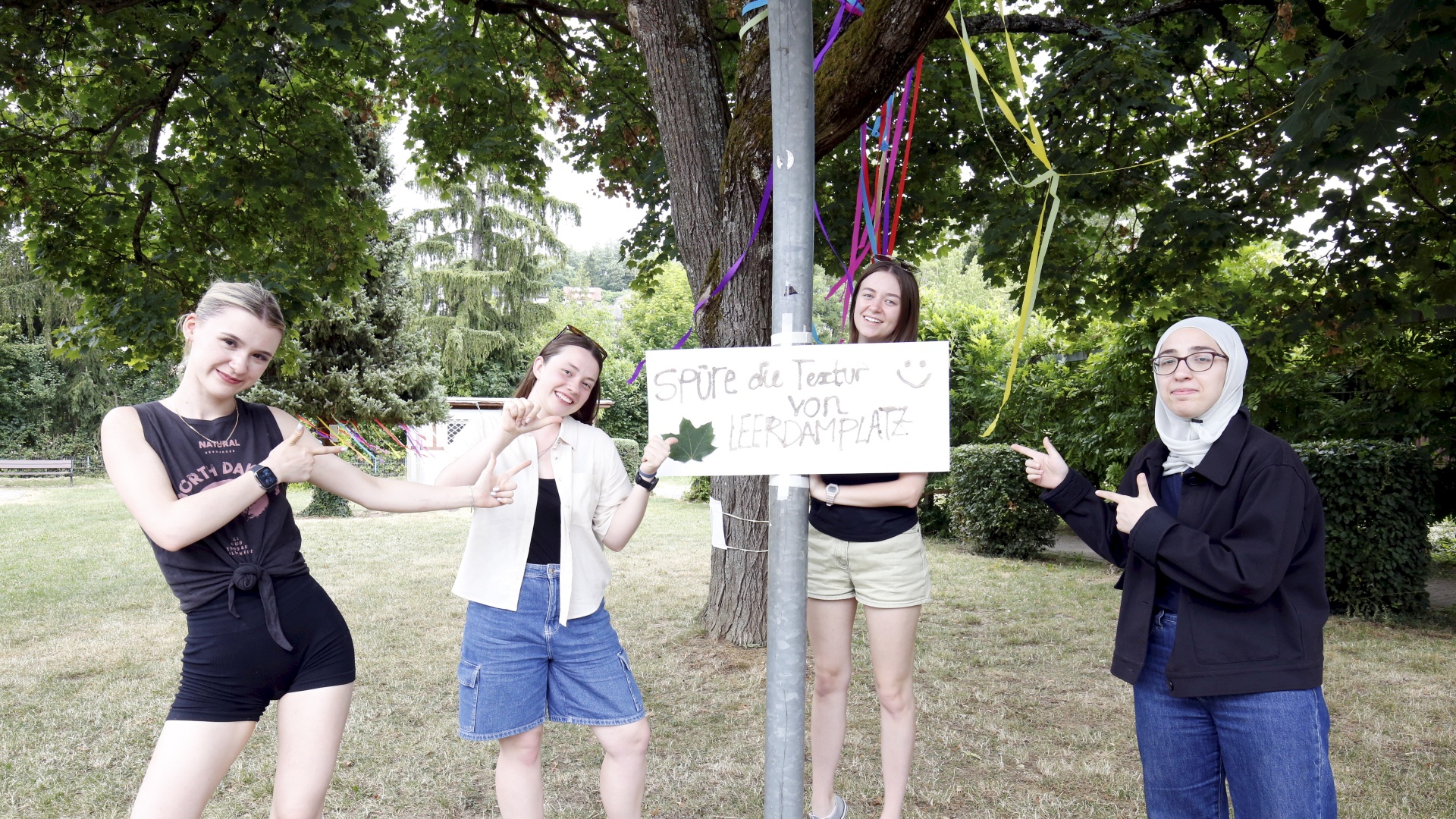
As part of a joint educational program, 15 Ukrainian architecture students and faculty members were at KIT. Whether during the day at the workshop in Pfinztal or at night in Karlsruhe, their homeland is never far from their minds.
Mehr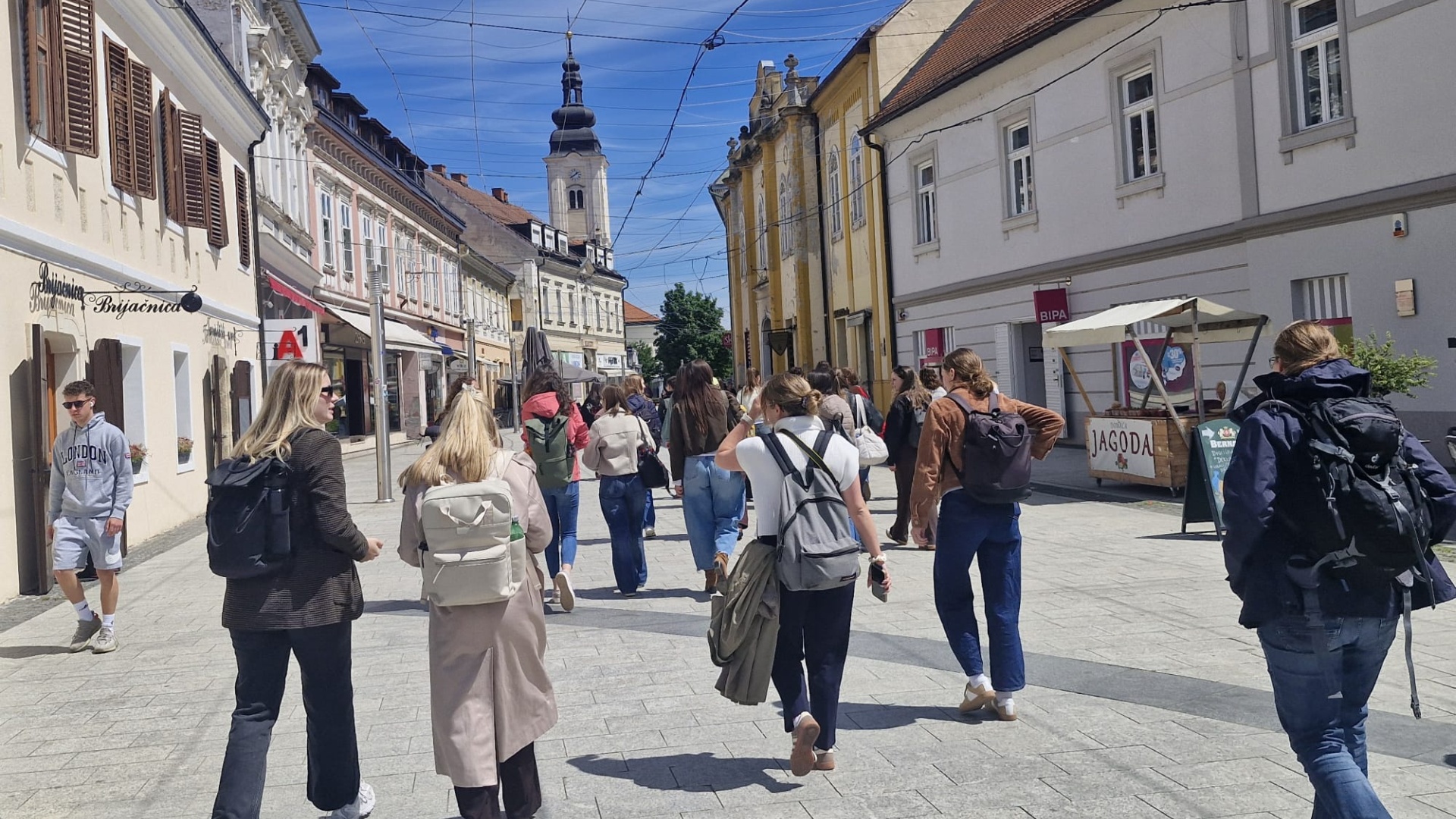
Spending a week collaborating with other university students, teachers, and students in another country: Anouk and Sarah visited Zagreb as part of their teaching degrees. In clicKIT, the three of them share how the city captivated them in just one week, what they did during their excursion, and what they’ll take away for their future careers as teachers.
Mehr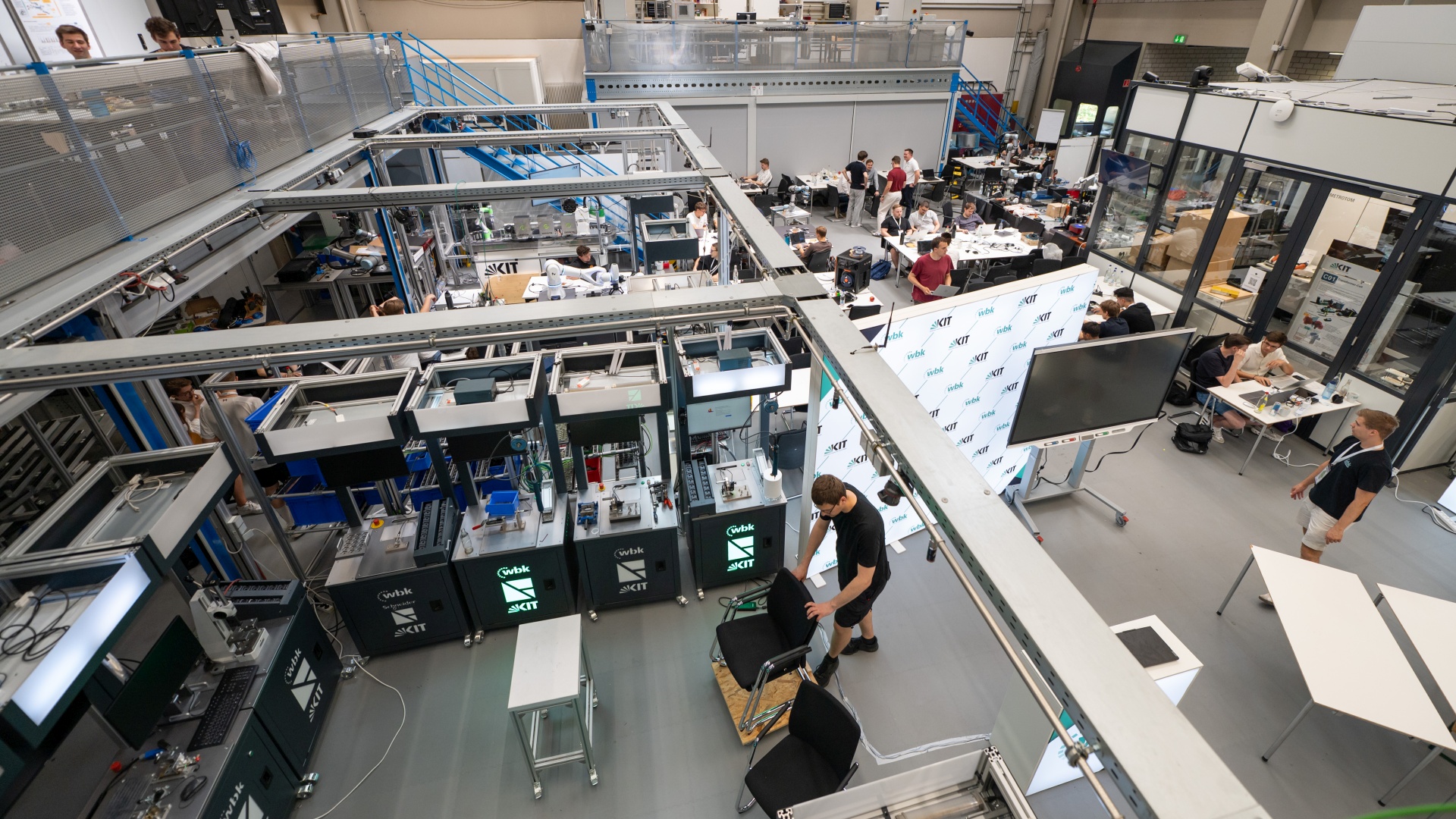
Registration closed at 65 participants: The organizing team of the 6th Hackathon at the wbk Institute of Production Science at KIT closed the registration portal after just one week. Those who secured a spot tackled a challenge from real-world industry practice in teams of three to five students on July 7 and 8, 2026.
Mehr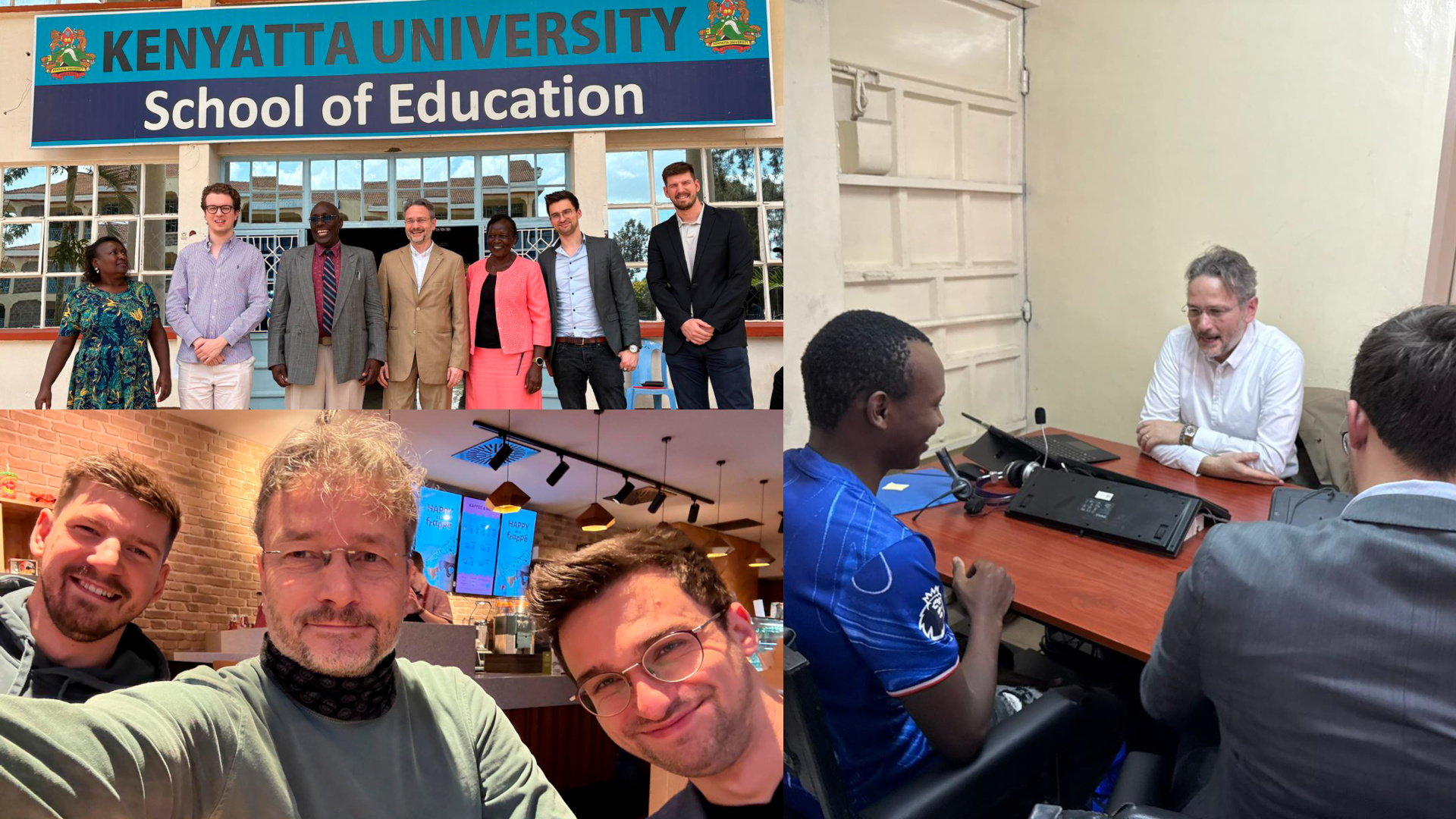
Giving a lecture is nothing out of the ordinary for Nikola Lukezic and Moritz Zink – if it weren’t for the fact that their students are located thousands of kilometers away in Kenya. The PhD students later traveled there with their professor, Eric Sax, to conduct oral examinations and visit several educational institutions. In clicKIT, they report on their experiences in an unusual project.
Mehr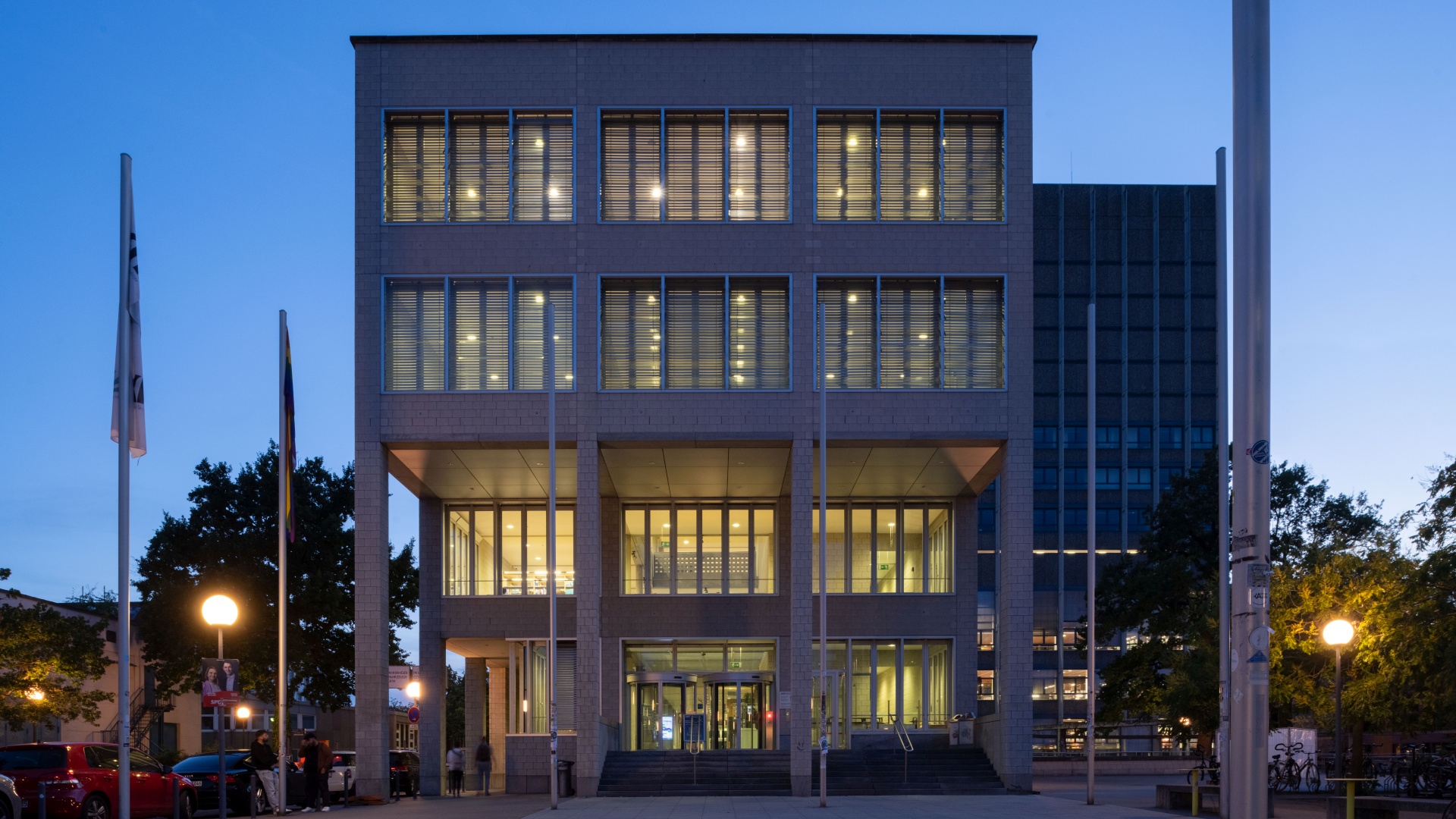
While many people are heading home, the most productive part of the day is just beginning for others. The library is a place for learning, a safe haven, and a constant in everyday student life. It is the first stop for night owls, long days at university, and spontaneous flashes of inspiration. A look behind the scenes reveals what makes this unique place so meaningful. And as a general rule: The doors of the KIT Library are always open.
Mehr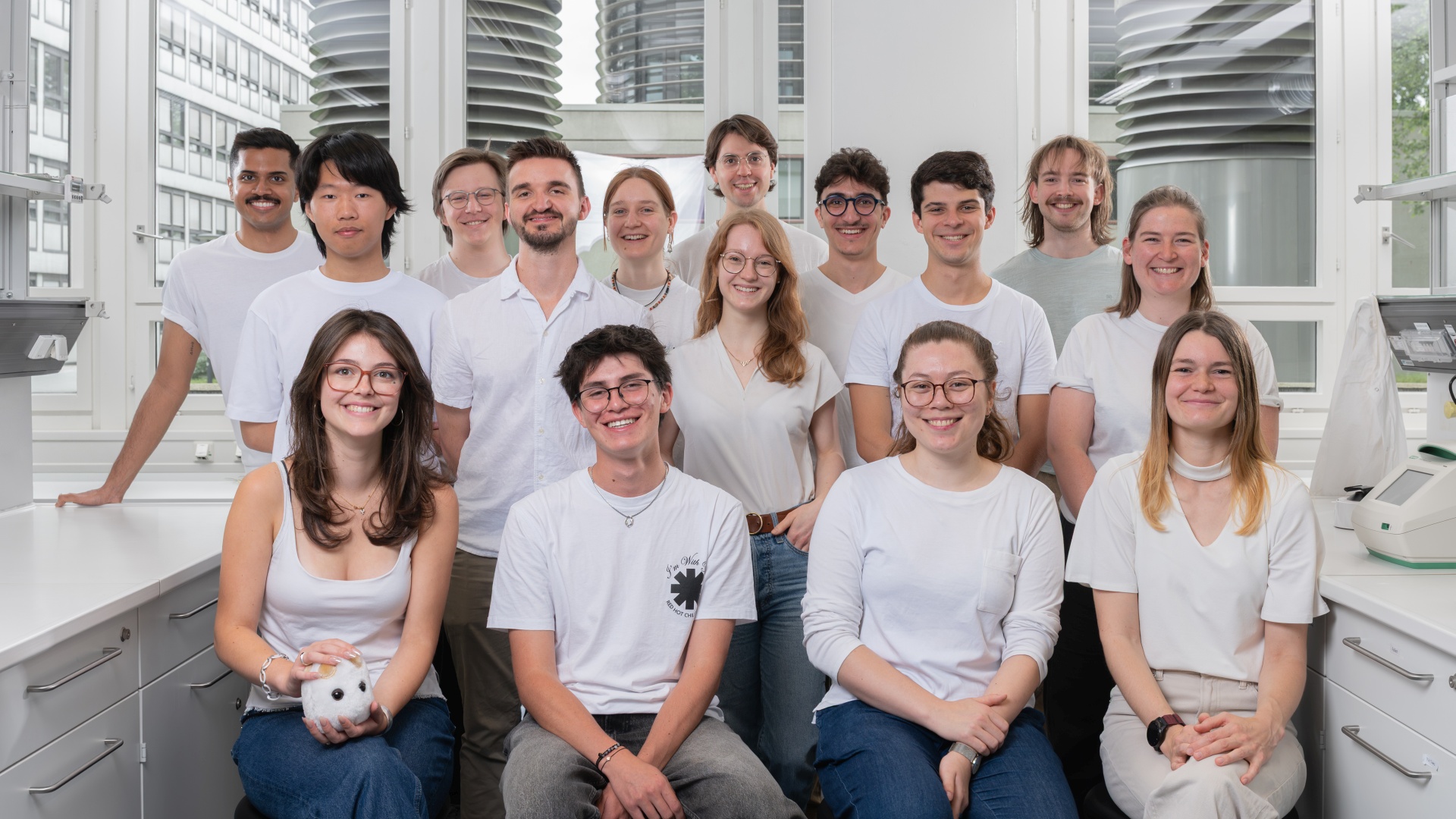
For the first time, KIT students are participating in the world’s largest competition in synthetic biology: iGEM (International Genetically Engineered Machine). Around 400 teams compete in this event every year. In clicKIT, Karoline, Friederike, and Thomas explain why they’re participating and why iGEM is much more than a traditional competition.
Mehr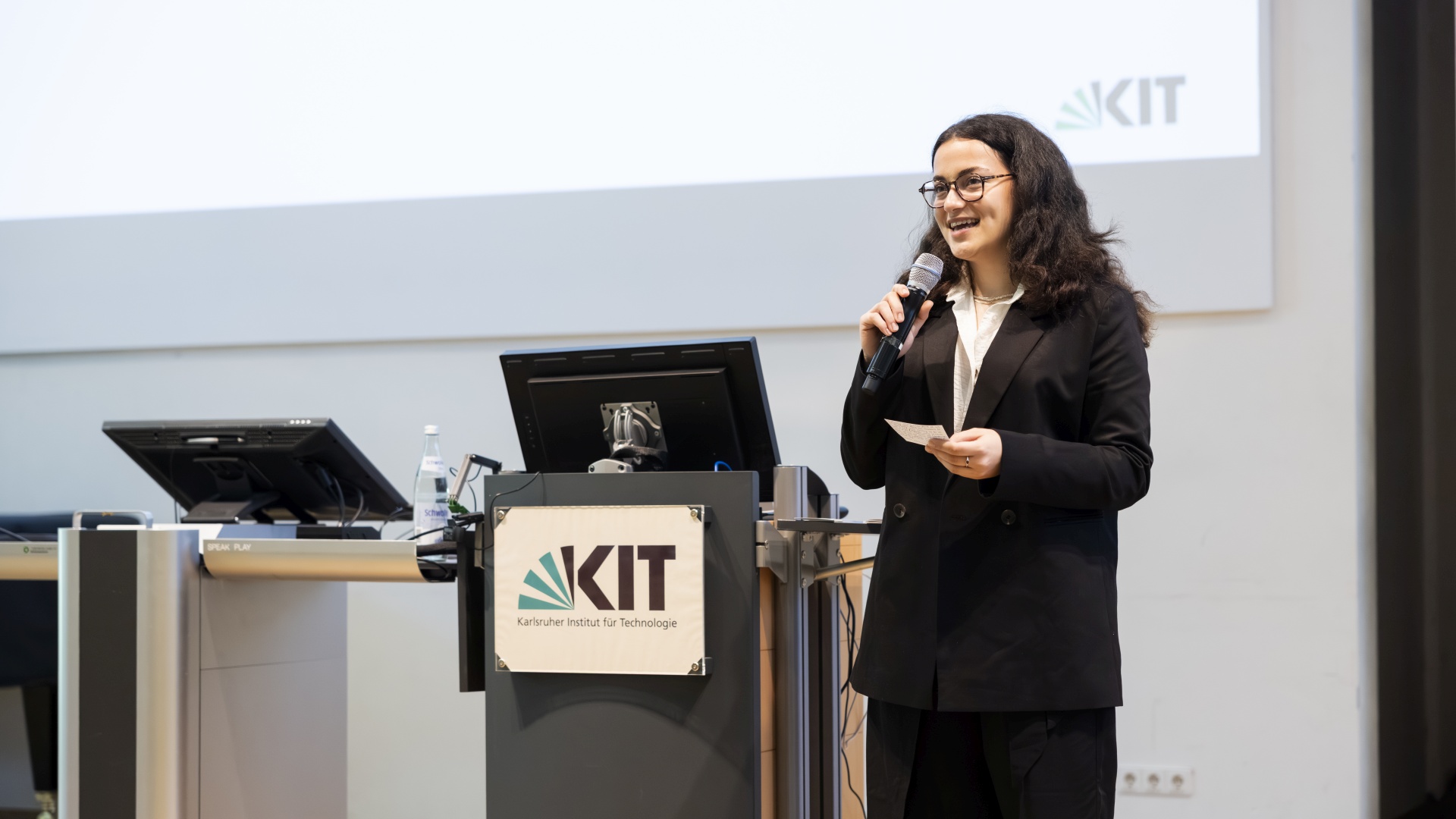
Defne Çelik has been awarded the 2026 DAAD Prize, honoring outstanding academic achievements and an exemplary dedication to supporting international students. When she heard the news, she was left speechless. In clicKIT, the student talks about her journey to KIT, her experiences, and her motivation to help others.
Mehr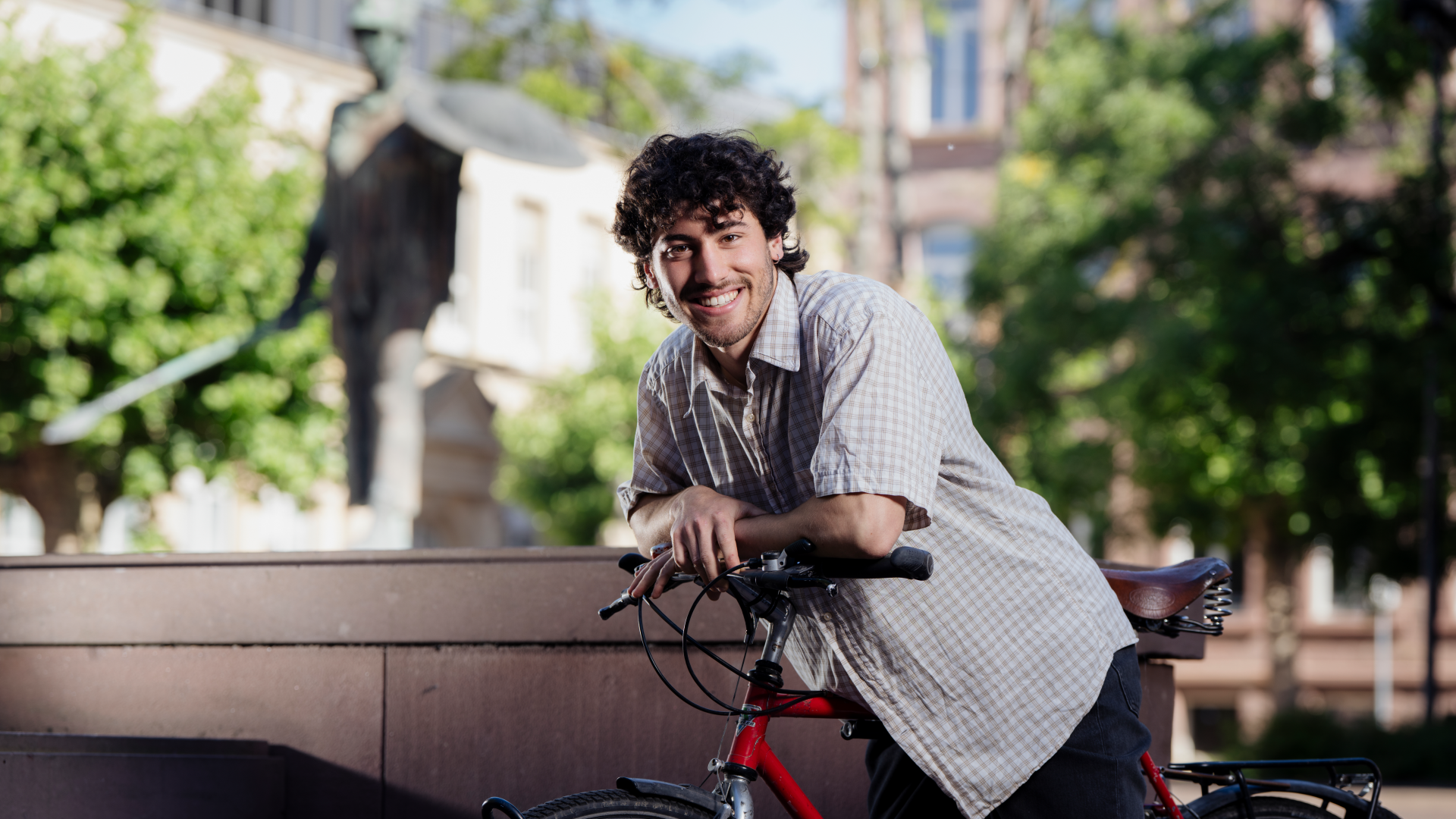
A semester abroad, new friendships, and experiences that last a lifetime: Every year, the Erasmus program enables hundreds of KIT students to venture beyond national borders. One of them is architecture student Luis Schuster. He traveled to Rome by bike for his Erasmus semester and is now sharing his experiences as a KIT Erasmus ambassador in the #OneInOneMillion campaign.
Mehr
Paraplegia, depression, diabetes, visual impairment — students with health-related challenges often depend on tailored advice and support. We took a closer look at the most important support services available at KIT and spoke with both students and advisors.
Mehr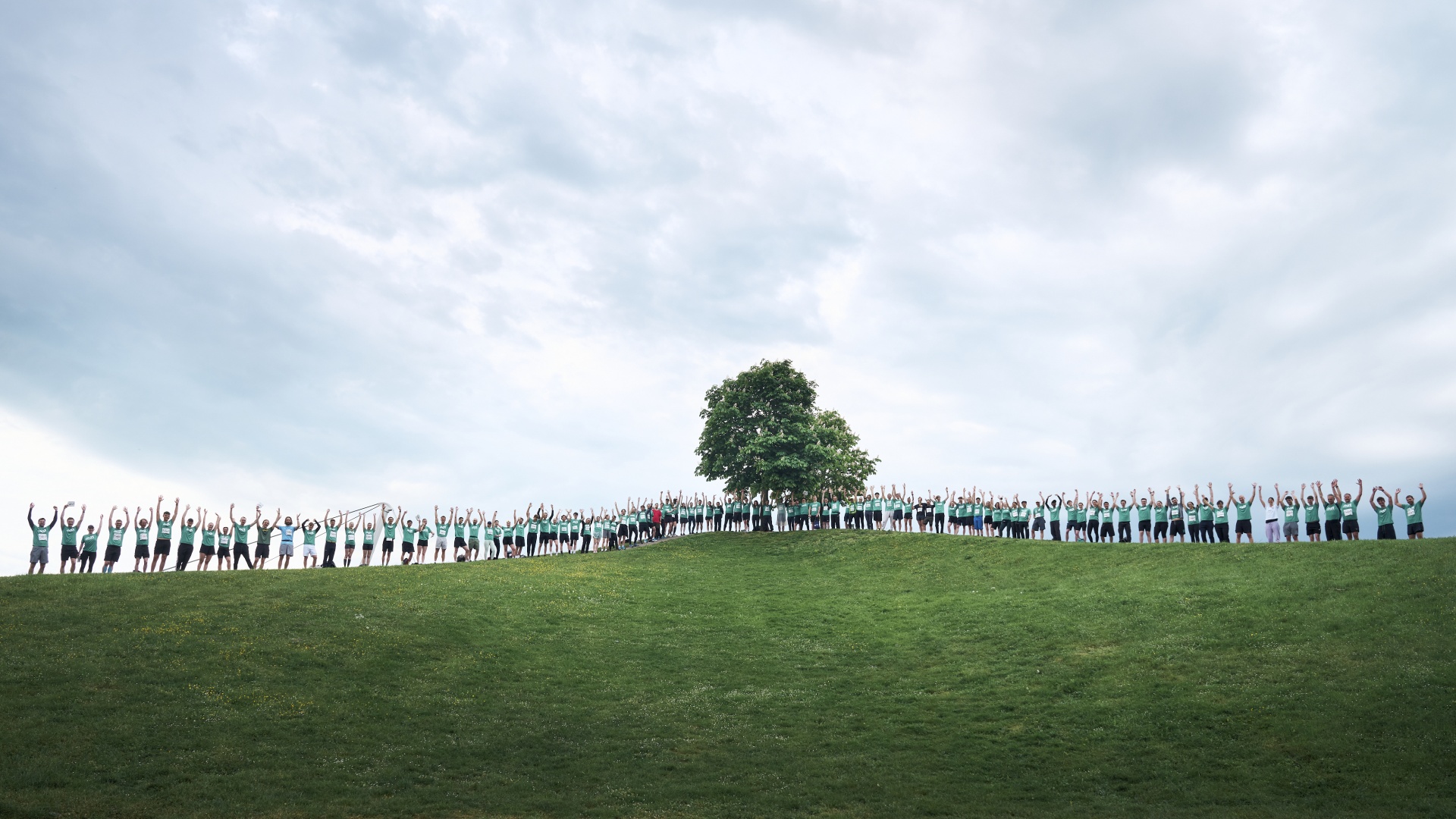
Industrial engineer Lennart Grothe crossed the finish line as the fastest KIT runner in the traditional race – and saw the event primarily as a strong team effort
Mehr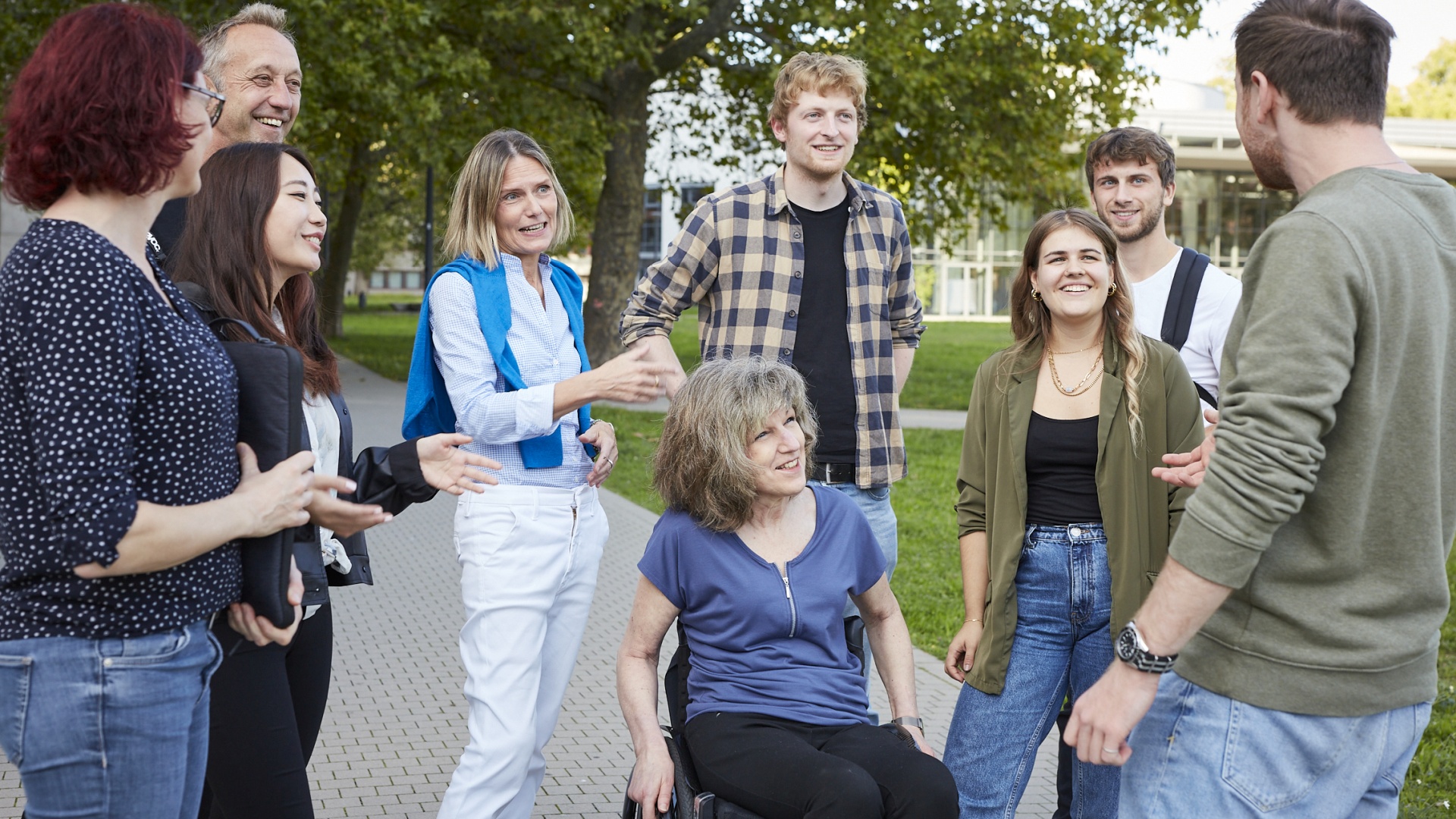
Equal opportunity and acceptance are essential prerequisites for interaction on an equal footing in everyday student life. In cases where the General Equal Treatment Act is violated through discrimination, specialized contact points at KIT provide targeted advice and support. During Diversity Month in May, KIT also offers additional programs for students.
Mehr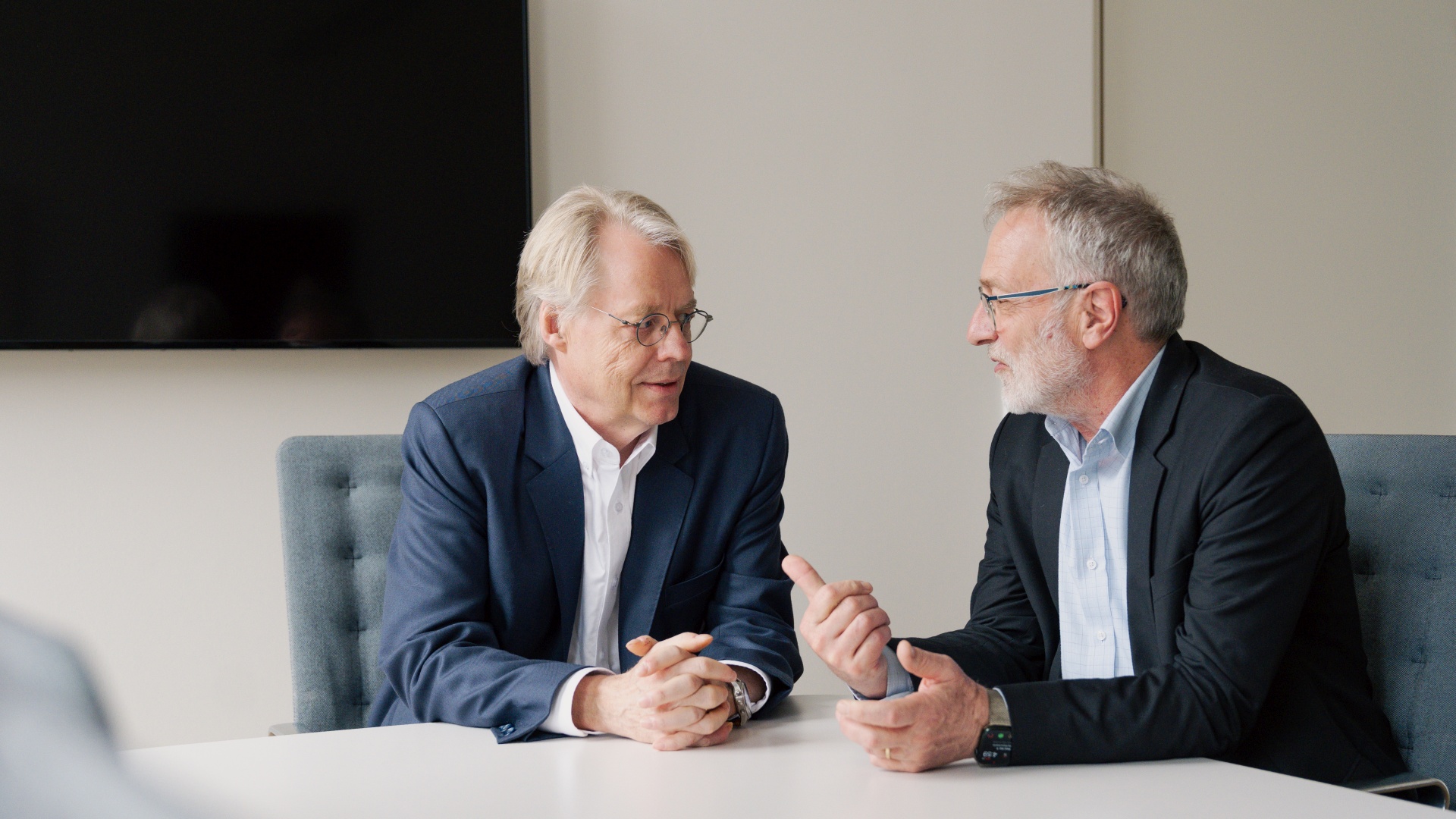
Helmholtz President Martin Keller visited KIT in March and had the opportunity to learn about ongoing research, speak with KIT’s early-career researchers and visit some of our unique infrastructure. In a common interview, he and KIT President Jan S. Hesthaven discussed upcoming priorities and KIT’s special role within the Helmholtz Association.
Mehr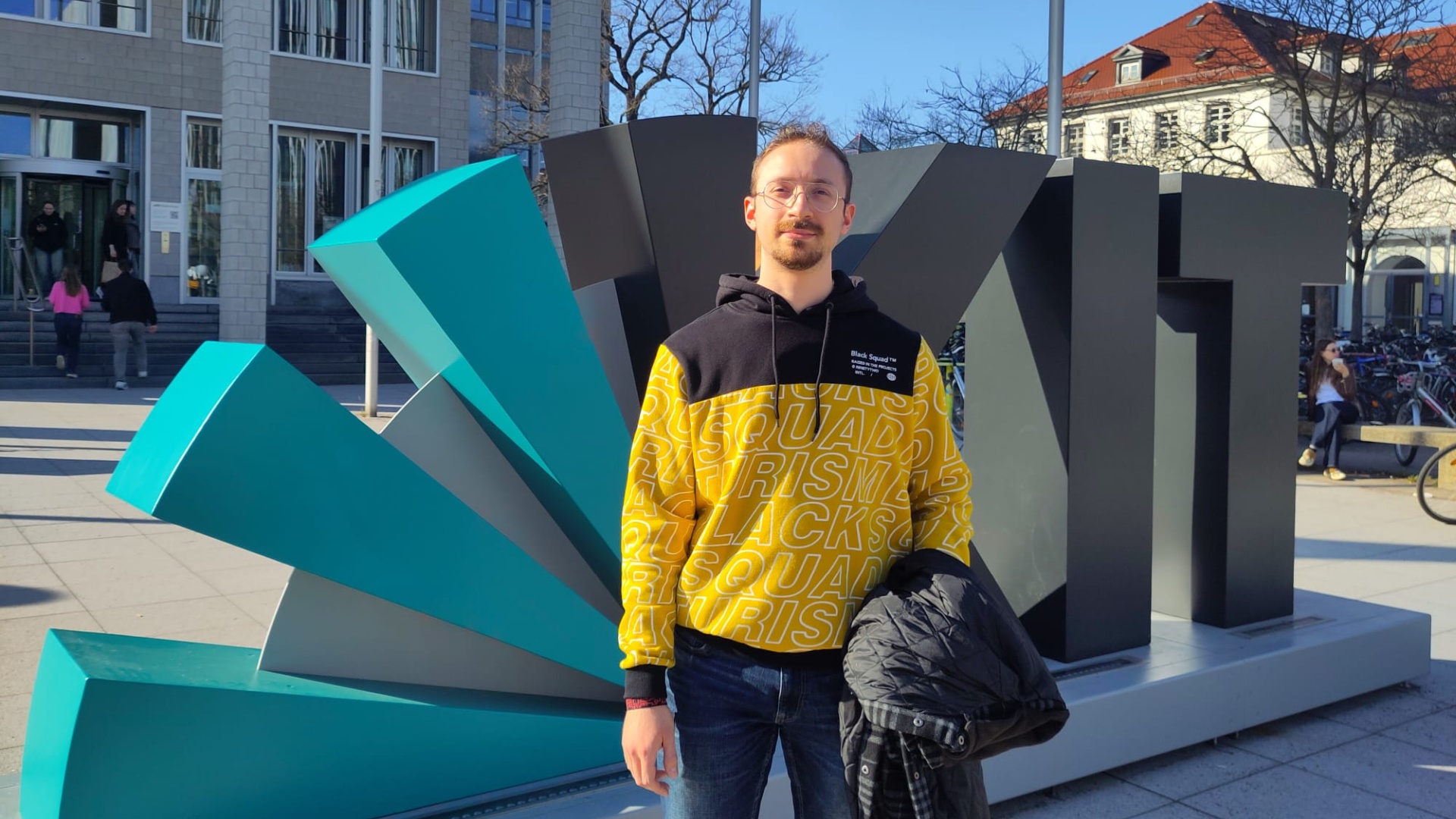
Display broken? “Then I’ll just program a new one!” That’s what Marco Demartino, a computer science student at KIT, thought. The reason: Since November 2025, the usual KVV digital departure displays have been missing at many stops at Karlsruhe. Instead of getting upset, Marco quickly developed his own website – and it works reliably.
Mehr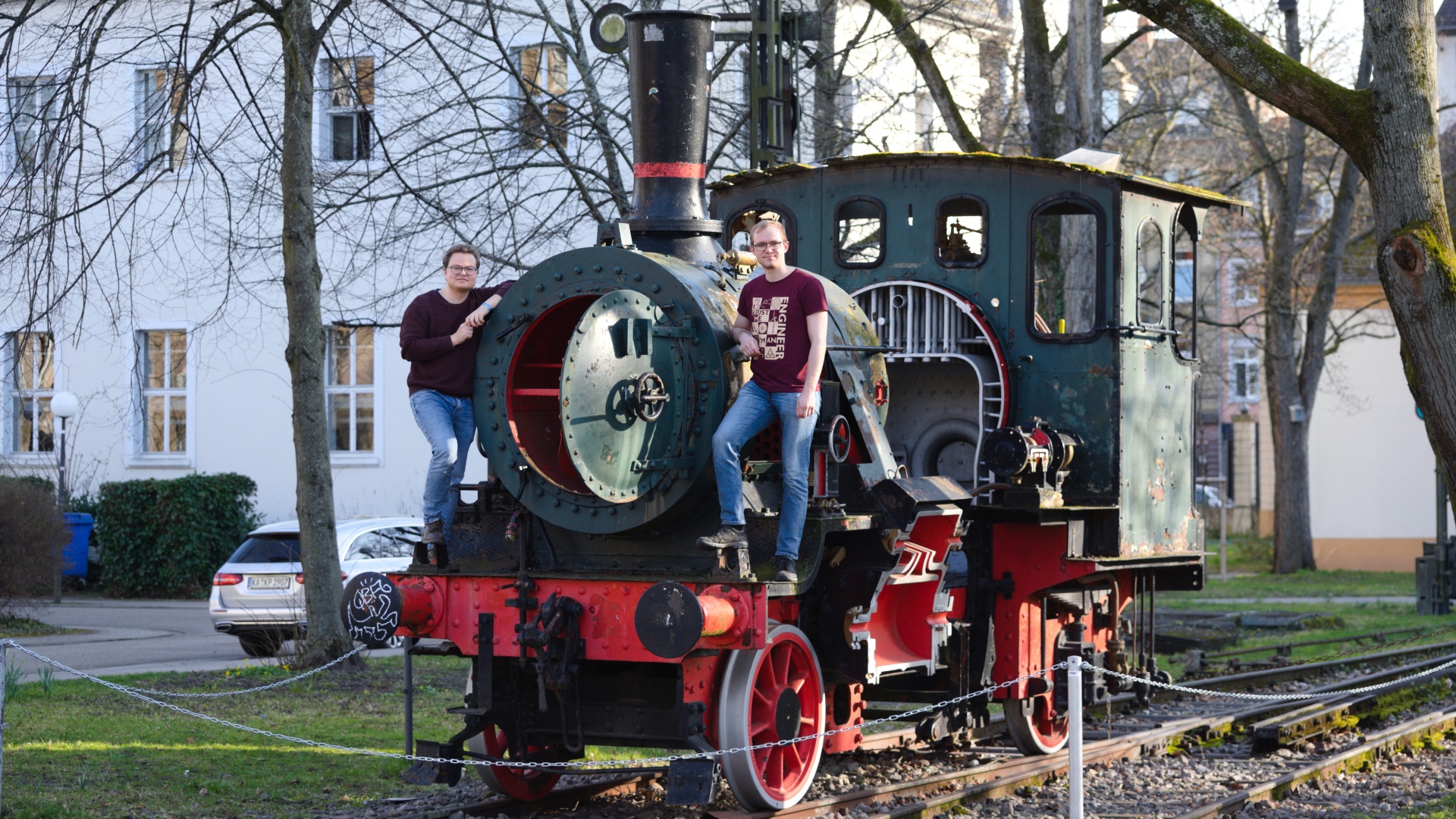
The Mechatronics and Information Technology (MIT) master’s program at KIT combines mechanical engineering, electrical engineering, and information technology into mechatronics. Students enjoy a great deal of freedom and can combine modules according to their own interests and preferences.
Mehr
Researchers today produce more data than ever before. At the same time, AI is increasing the energy requirements of data centers. How can both be organized responsibly? Professor Achim Streit explains why good research data management and new concepts for data centers go hand in hand.
Mehr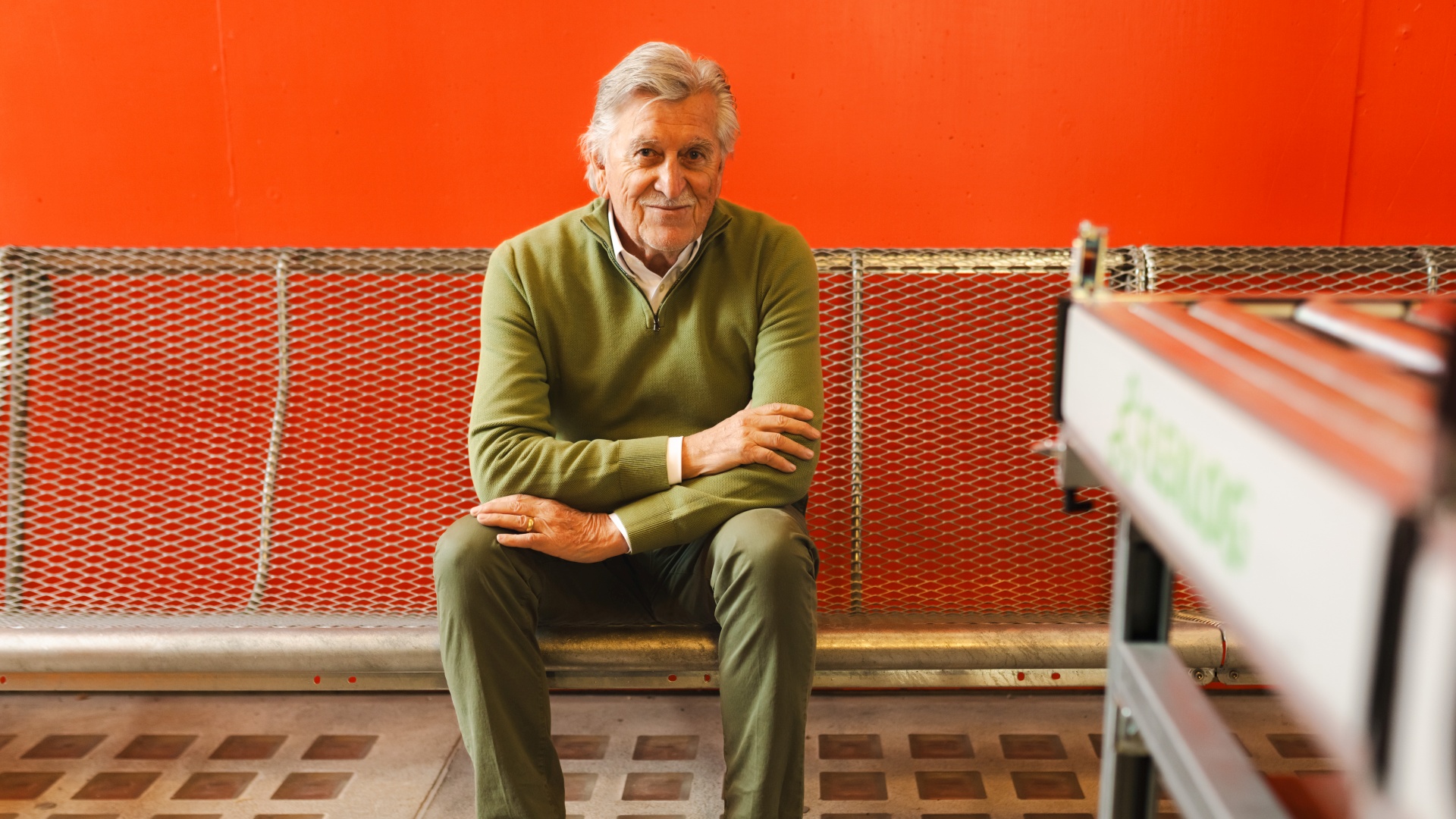
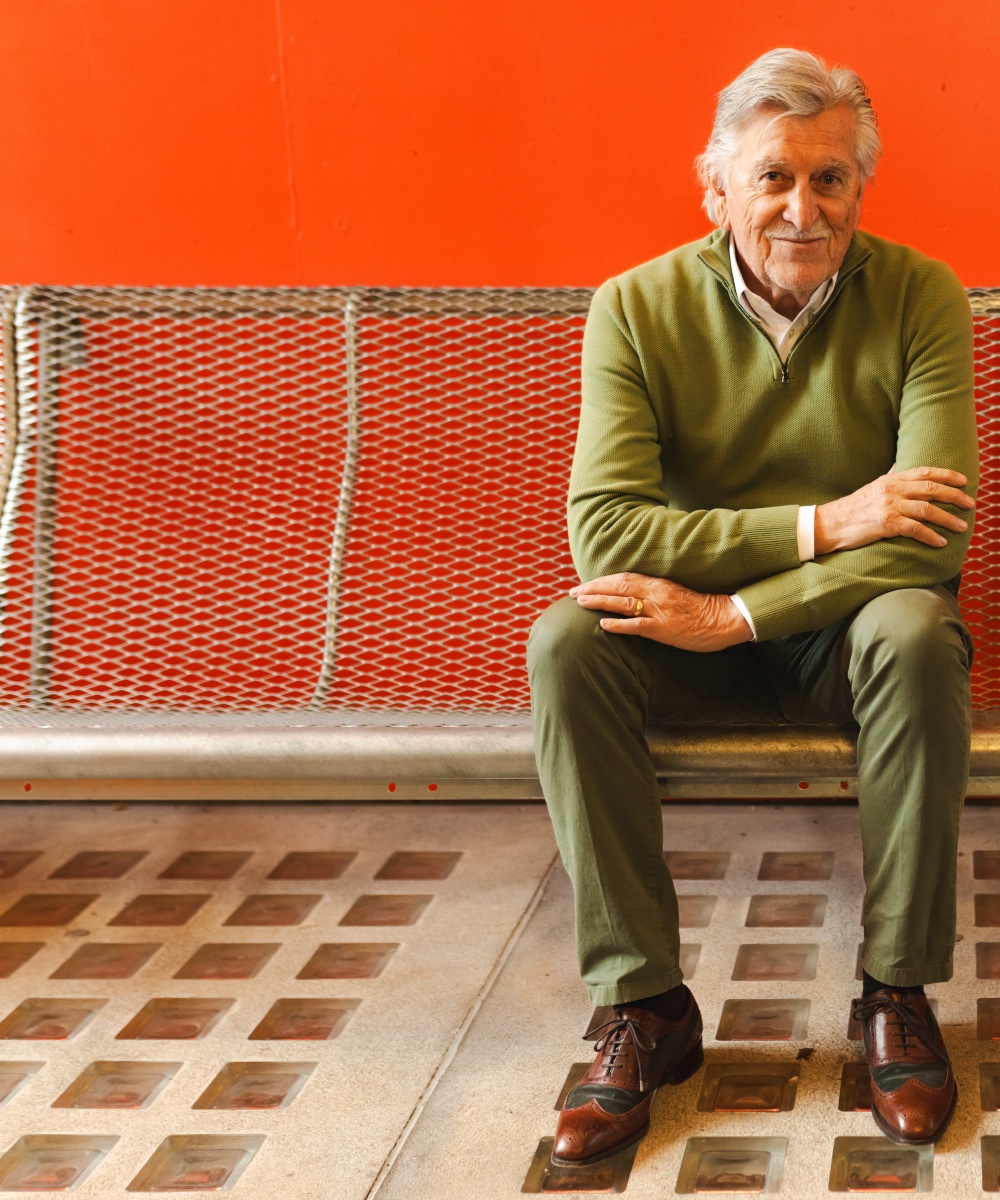
Would you still do a doctorate at 73? Hermann Merkel did, and five years later he can officially call himself “Doctor.” The former freight forwarder conducted research on e-highways at the KIT Institute for Material Handling and Logistics, often doubting himself in the process. In clicKIT, he explains what kept him going and why this period had such a profound impact on him.
Mehr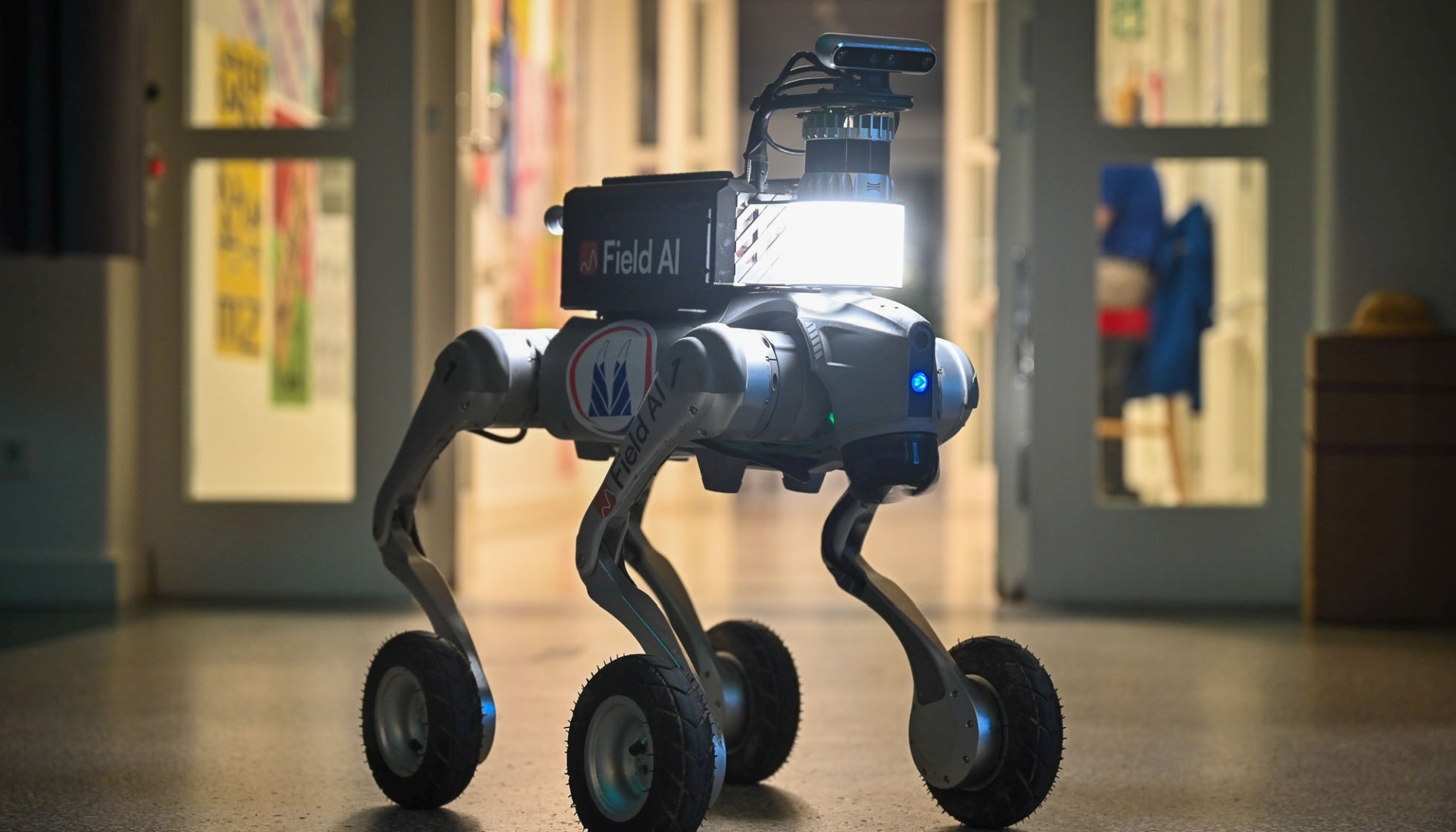
Every year, students compete in the Digital Future Challenge (DFC) to develop the best solutions for a digital future. This year, two KIT teams prevailed over 87 other ideas: the AI agent system “Ankommen” helps people navigate the bureaucratic landscape, and the robot dog “Sprout” helps reduce the use of chemicals in agriculture.
Mehr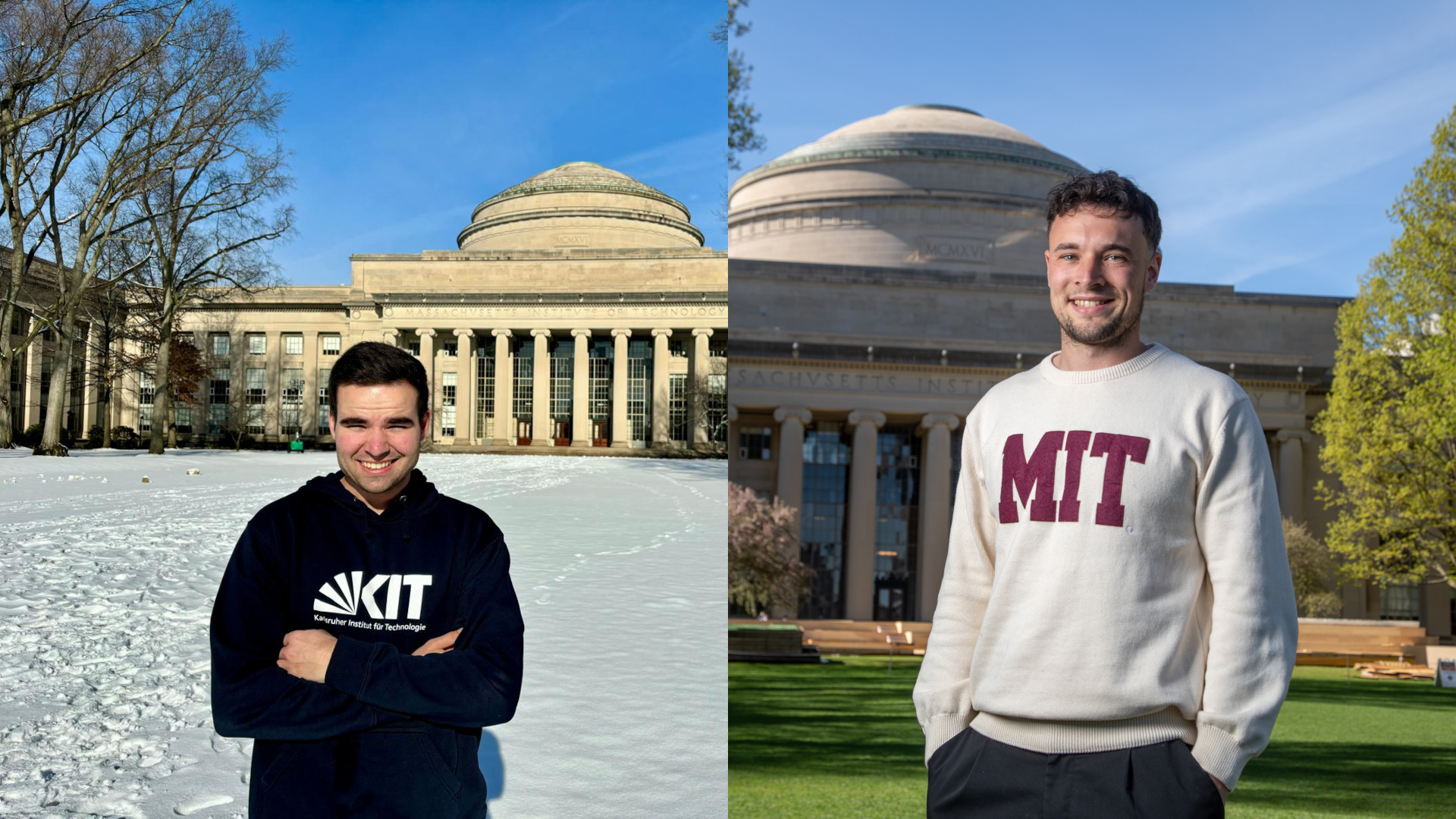
What do robotics, artificial intelligence, and battery research have in common? For Noah Geiger and Konrad Dittrich, the answer is curiosity, initiative, and the courage to pursue international opportunities. Both studied at KIT, both sought to think outside the box, and both ended up at the Massachusetts Institute of Technology (MIT). This was not by coincidence, but through intentional decisions.
Mehr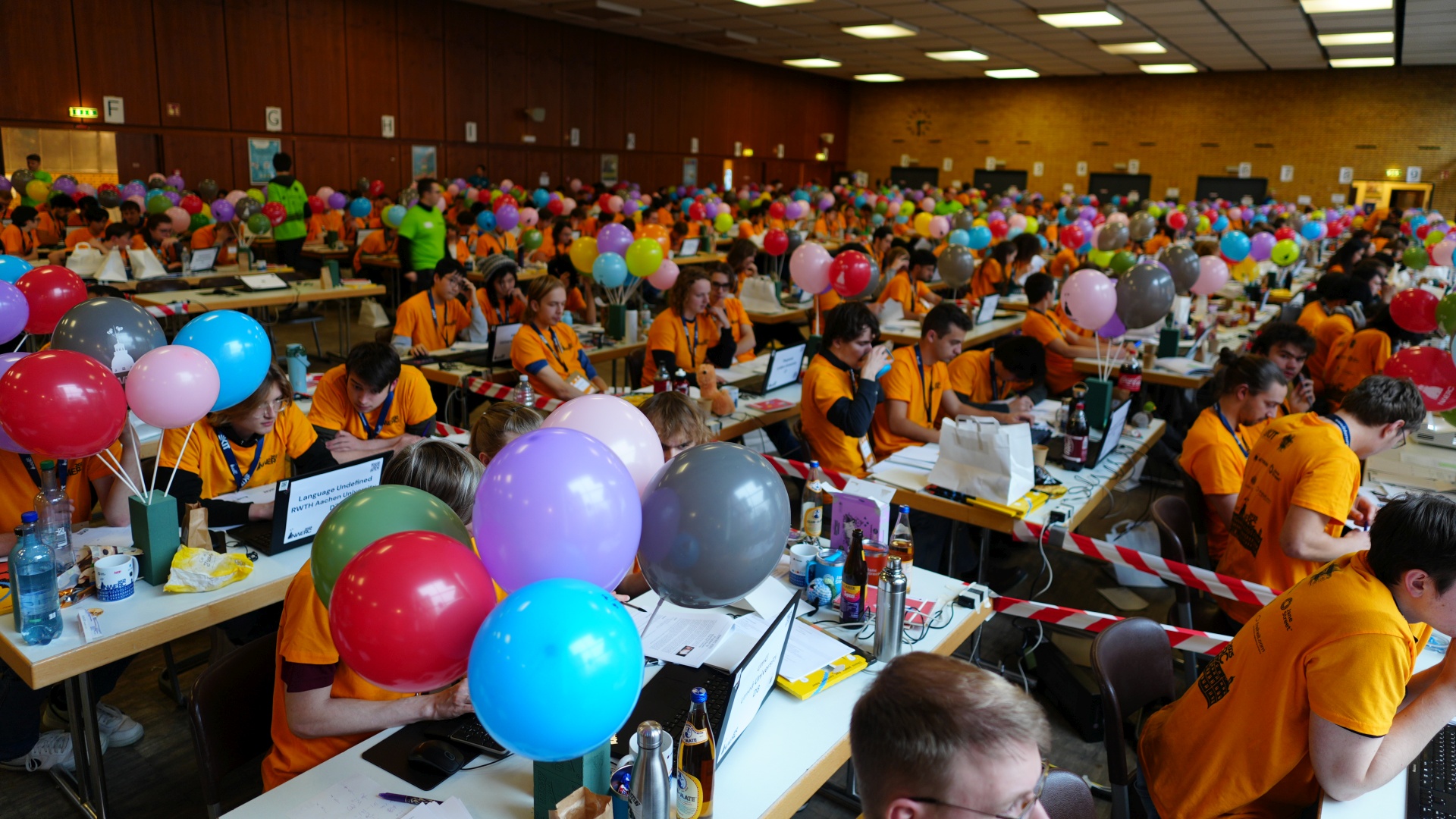
At the end of last year, the KIT dining hall was transformed into a competition arena: Over 400 students from 70 universities in 13 countries in northwestern Europe travelled there with their more than 150 coaches to take part in Europe’s largest in-person programming competition – the Northwestern Europe Regional Contest (NWERC).
Mehr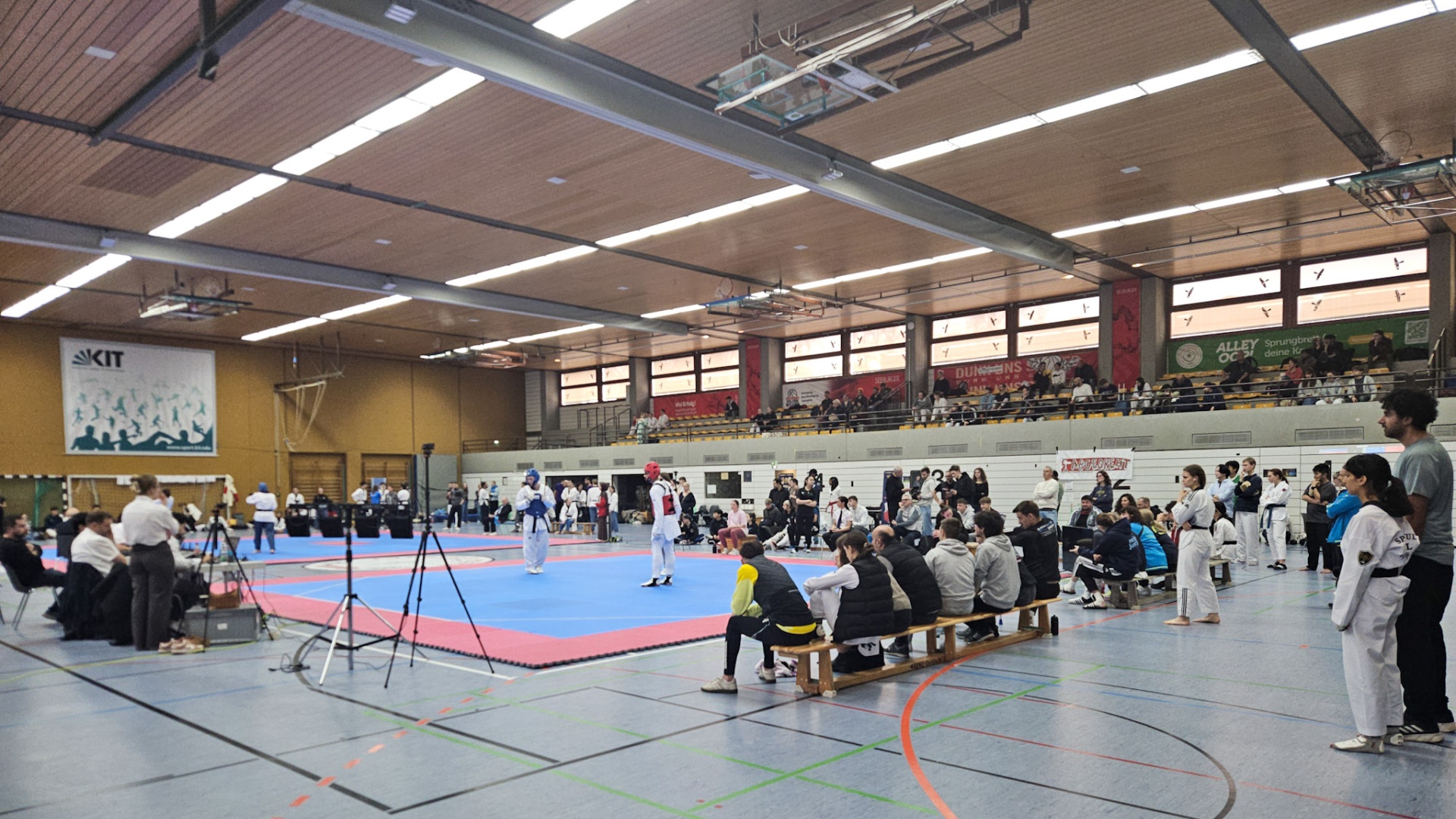
133 participants from 53 universities competing against each other: The German University Championships (DHM) in taekwondo took place at KIT on November 29, 2025. The event was organized by two KIT students, Kaize Zhou and Jessica Wolf. In clicKIT, they share what made the competition day so special.
Mehr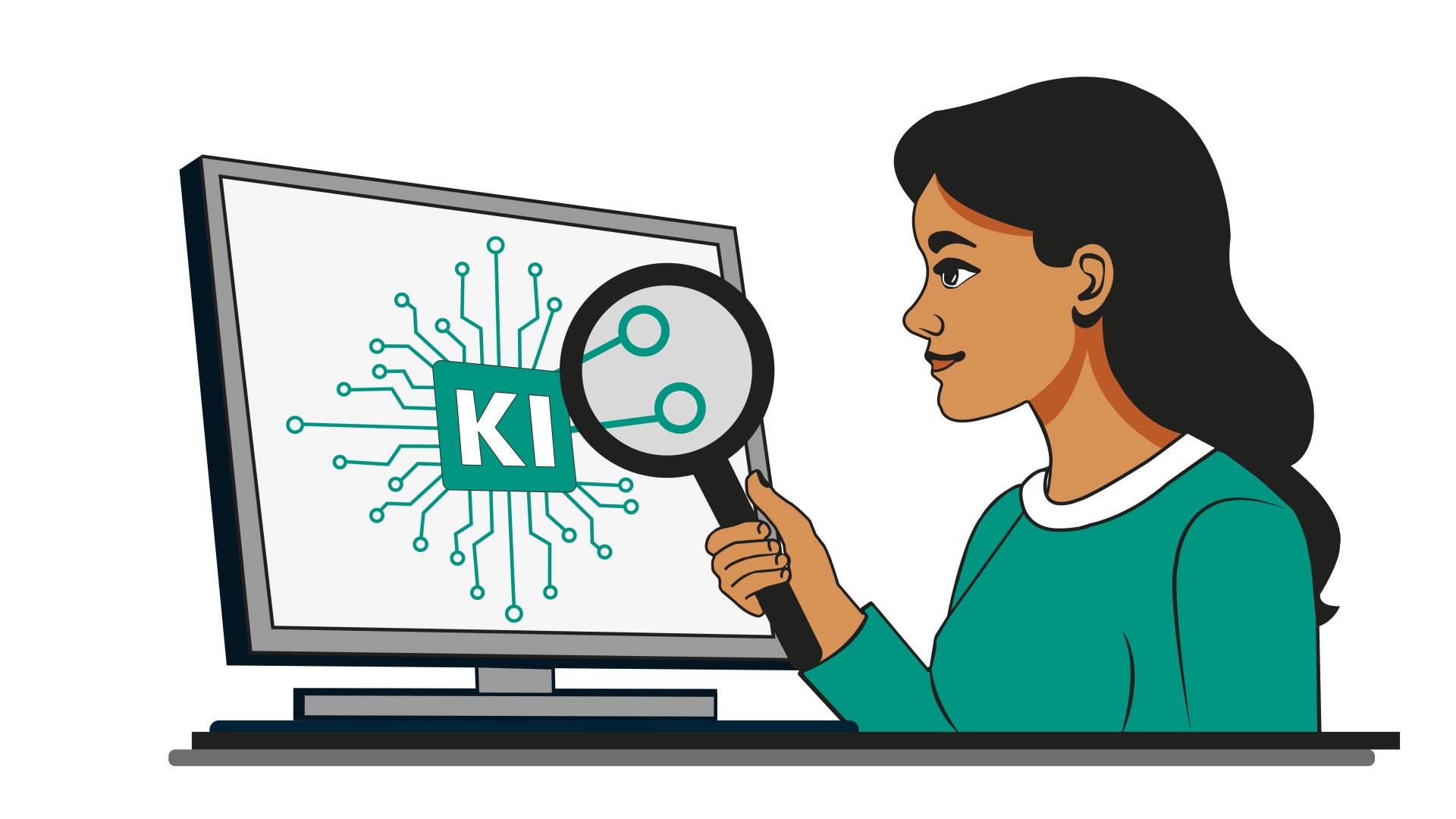
Artificial intelligence (AI) is now embedded in nearly every aspect of text, image, and video processing. Yet we often don’t fully understand how AI arrives at its results. This understanding is crucial if we want to use AI reliably in critical areas such as energy supply. That is precisely what tenure-track professor Benjamin Schäfer at KIT is working on.
Mehr