
Combating Discrimination and Barriers – Contact Points at KIT
Equal opportunity and acceptance are essential prerequisites for interaction on an equal footing in everyday student life. In cases where the General Equal Treatment Act is violated through discrimination, specialized contact points at KIT provide targeted advice and support. During Diversity Month in May, KIT also offers additional programs for students.
KIT is committed to a discrimination-free community – among other things as a founding member of the Alliance for Democracy and Human Rights Karlsruhe. “Whether intentional, unconscious, or structural, discrimination devalues, violates human dignity, and causes harm,” explains Angelika Scherwitz-Gallegos. “It is therefore important to pay closer attention to discrimination and to actively counteract it, both to protect individuals and to ensure constructive interaction.”
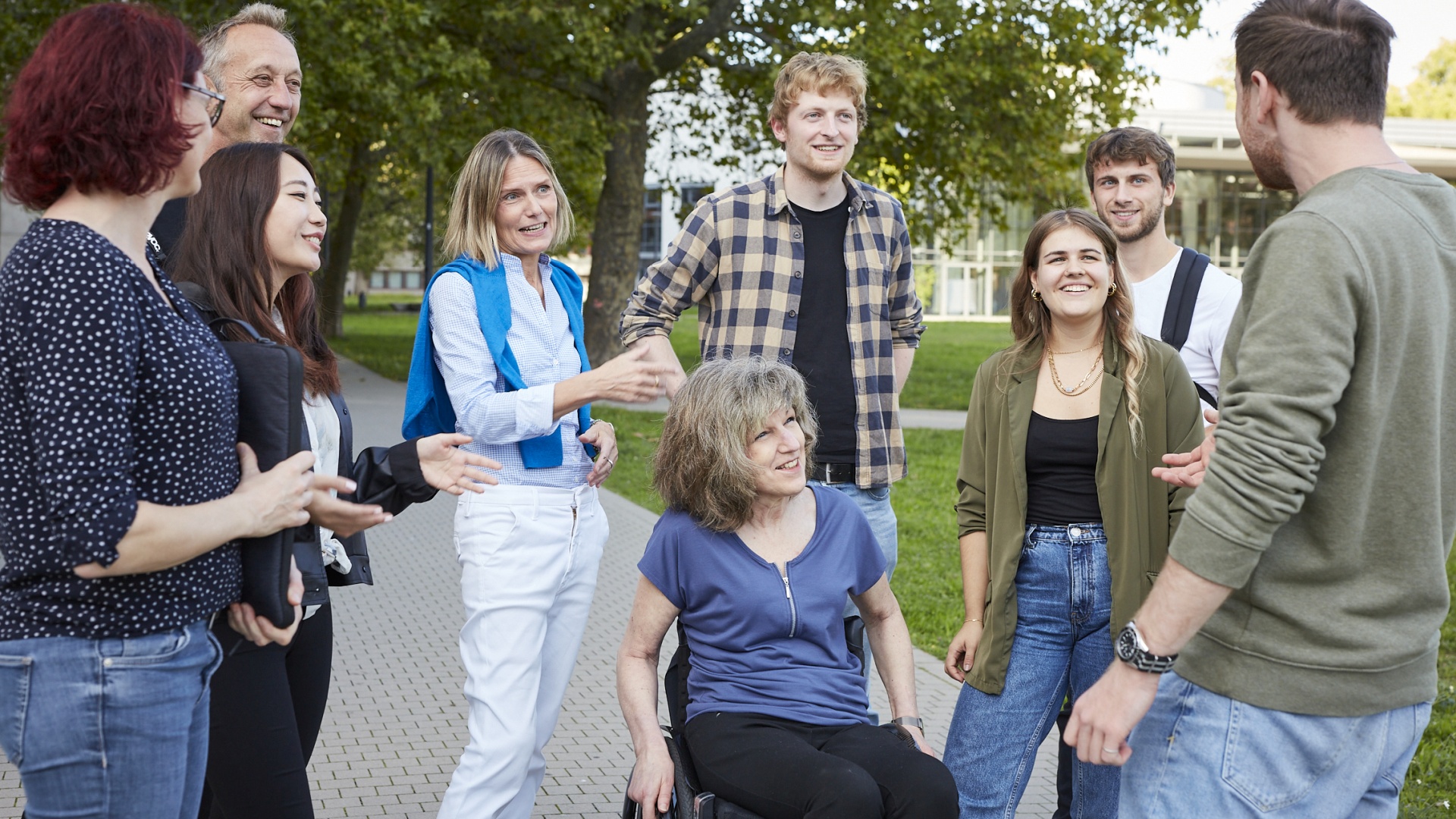
As KIT Representative for Students with Disabilities and Chronic Diseases, Scherwitz-Gallegos deals with accessibility and discrimination on a daily basis. “Barriers in information and education prevent participation and thus development and self-realization. My experience shows that prejudice in thinking is the most persistent barrier to inclusive interaction,” she explains. “An open and tolerant university that actively promotes the removal of barriers draws on the resources of all people in their diversity and creates opportunities.” With this objective, she advises students and stakeholders at key interfaces of inclusive study programs. In addition, the Center for Digital Accessibility and Assistive Technology supports people with visual impairments in all academic disciplines at KIT.
Diverse Support Services
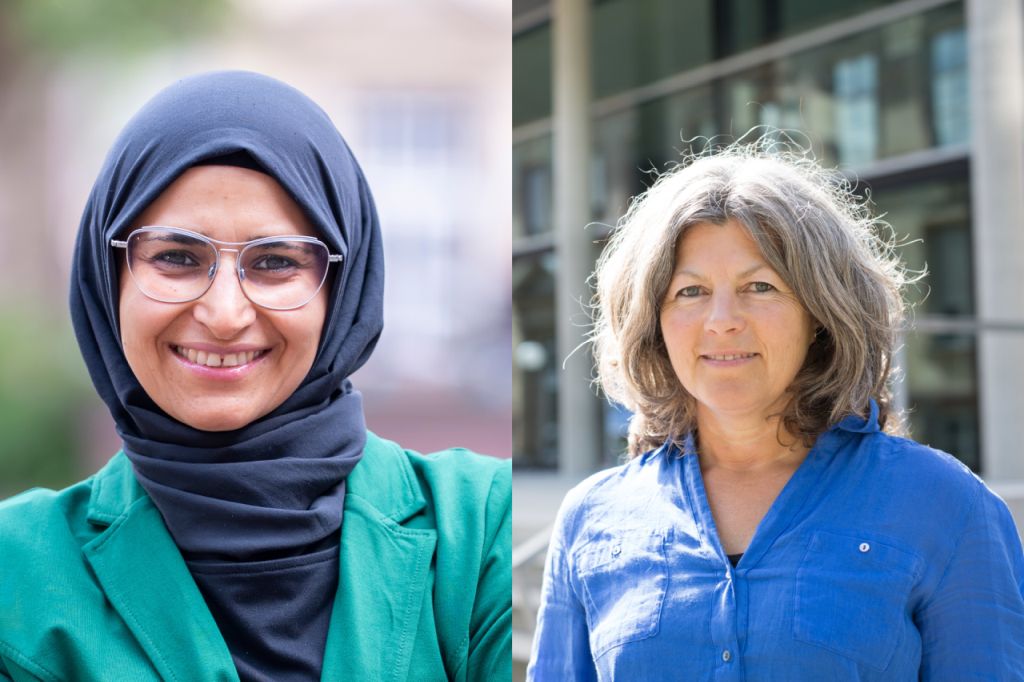
In addition to barriers affecting people with disabilities, there are other forms of discrimination specifically addressed by the Anti-Discrimination Office. Alongside counseling and support, it also carries out preventive work. Dr. Suzan Stutz, KIT’s contact person for anti-discrimination, explains: “Anyone may make use of the counseling services. They are confidential, anonymous, low-threshold, and oriented toward the needs of the affected person.” As a central contact point, Stutz is closely integrated into existing structures.
“There is close exchange with the Equal Opportunity Office, as well as with the contact persons for cases of sexualized violence and harassment,” emphasizes Sarah Wenz, Head of the Equal Opportunity Office at KIT. Students may also contact Wenz directly regarding concerns, questions, or uncertainties.
Additional contact points for students can be found on the pages of the “Anti-Racism and Anti-Discrimination” Working Group. These include, for example, the AStA Equal Opportunity Unit and the Psychotherapeutic Counseling Service of the Studierendenwerk. If it remains unclear which contact point is appropriate, the Suggestion Box for students and employees can help: Anyone who outlines their concern by email will promptly receive further information.
Lea Laraia, May 7, 2026
Events for Students During Diversity Month
- Flux Flausch Day: Talks, workshops, and discussion sessions for neurodivergent people and interested participants
May 9, 2026, 2:00 p.m., Black Sheep Club Karlsruhe - First-Generation Students University Group – Waffle Sale
May 19, 2026, 11:00 a.m.–2:00 p.m., South Campus at the AKK - Workshop: Mind the Trap – Awareness of the Fine Line Between Pattern and Prejudice
May 19, 2026, 5:30 p.m., K26
Further information is available on the Diversity Day website.