
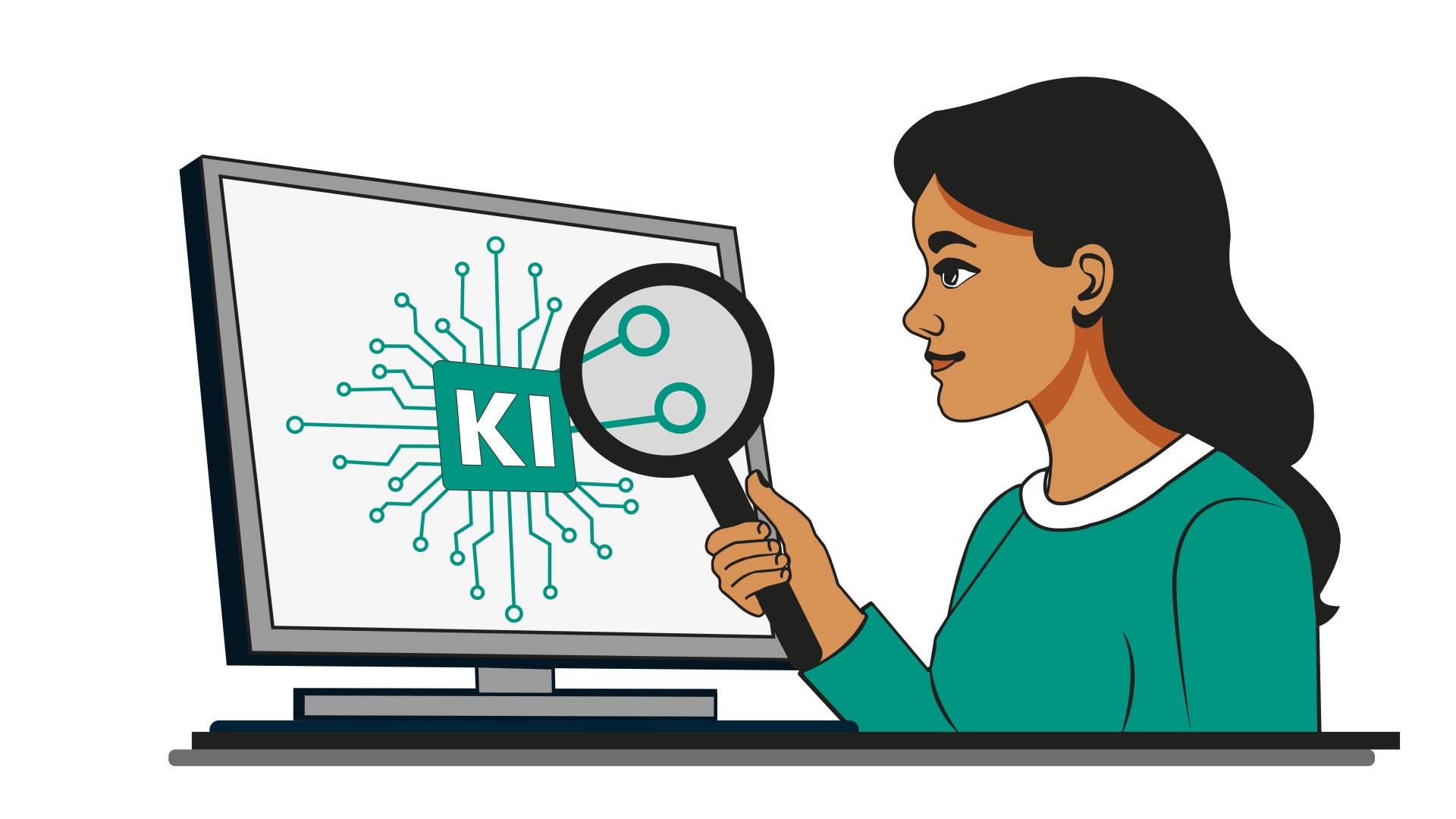
Good Question: How Can We Better Understand AI?
Artificial intelligence (AI) is now embedded in nearly every aspect of text, image, and video processing. Yet we often don’t fully understand how AI arrives at its results. This understanding is crucial if we want to use AI reliably in critical areas such as energy supply. That is precisely what tenure-track professor Benjamin Schäfer at KIT is working on.
Mr. Schäfer, how can we better understand AI to make it truly useful for the energy transition?
AI can play a key role in the energy transition because the transformation of today’s energy system is extremely complex. Renewable energy sources lead to fluctuations in the power supply. Wind and solar power installations may be located far from the consumers they serve - or right on their rooftops and balconies. All of this creates countless parameters and massive amounts of data. AI and machine learning can help process this data - but the tools must do so in a way we can understand. Until now, it has often remained unclear why AI makes a certain prediction.
My team and I want to move away from this “black box.” We look into the inner workings of AI to understand which levers we need to adjust to achieve meaningful results. For example, an algorithm that predicts household energy consumption should also indicate whether and how it considers photovoltaic feed-in, electricity prices, or the time of day.
To do this, we build small, interpretable AI models. In doing so, we act like aliens arriving on Earth for the first time and experimenting! They throw a stone into the water and watch the wave – we change the model’s input and see what happens. Step by step, we simplify a complex model that we previously understood very little. In this way, we develop transparent and trustworthy AI tools that can support grid operators in planning, expanding, and operating power systems.
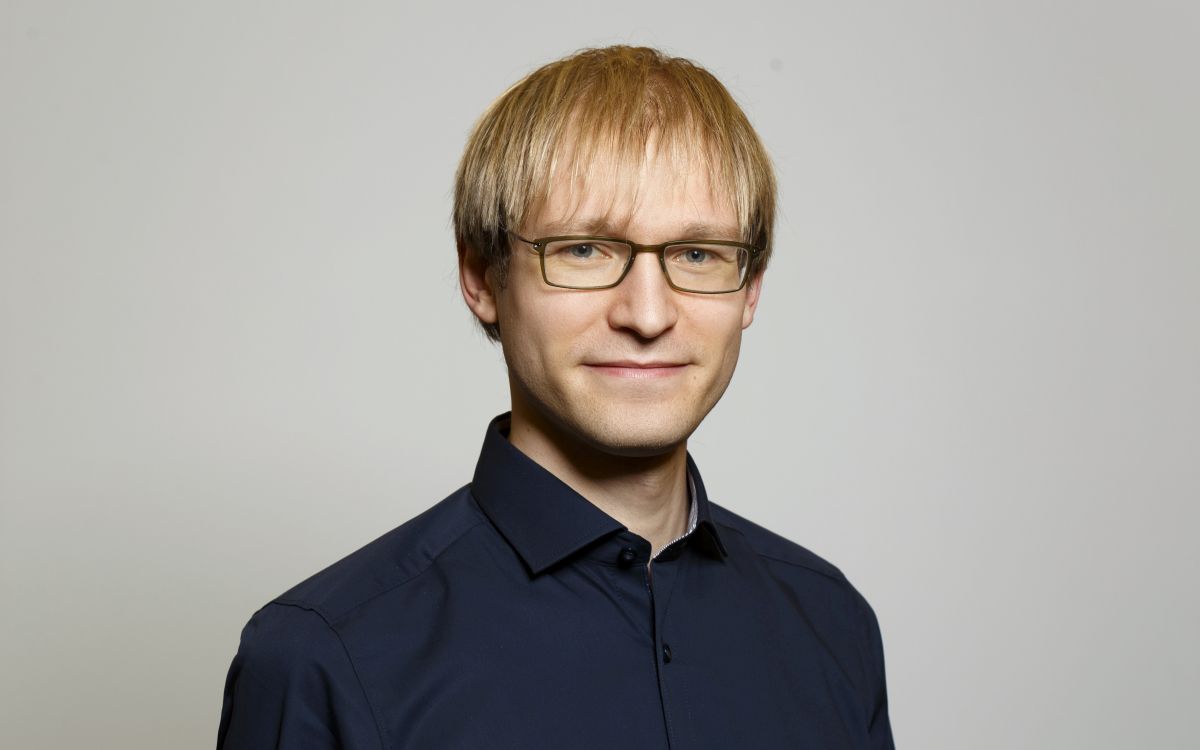
About the person:
Benjamin Schäfer has been leading the Helmholtz AI Young Investigator Group DRACOS since 2022, focusing on the data-driven analysis of complex systems. He has held a tenure-track professorship at KIT since 2023. Before that, he studied physics in Magdeburg, earned his doctorate in Göttingen and had research stays in the UK, Japan, and Norway during and after his PhD.
Do you also have a “good question” about a research topic? Feel free to send it to clicKIT-Magazin∂sts.kit.edu!
Benjamin Schäfer/Isabelle Hartmann, January 15, 2026