How did you like the article? Feel free to use our new rating feature on the right edge of the screen and let us know what you think! This will help us improve our content.
Participation is voluntary and anonymous.

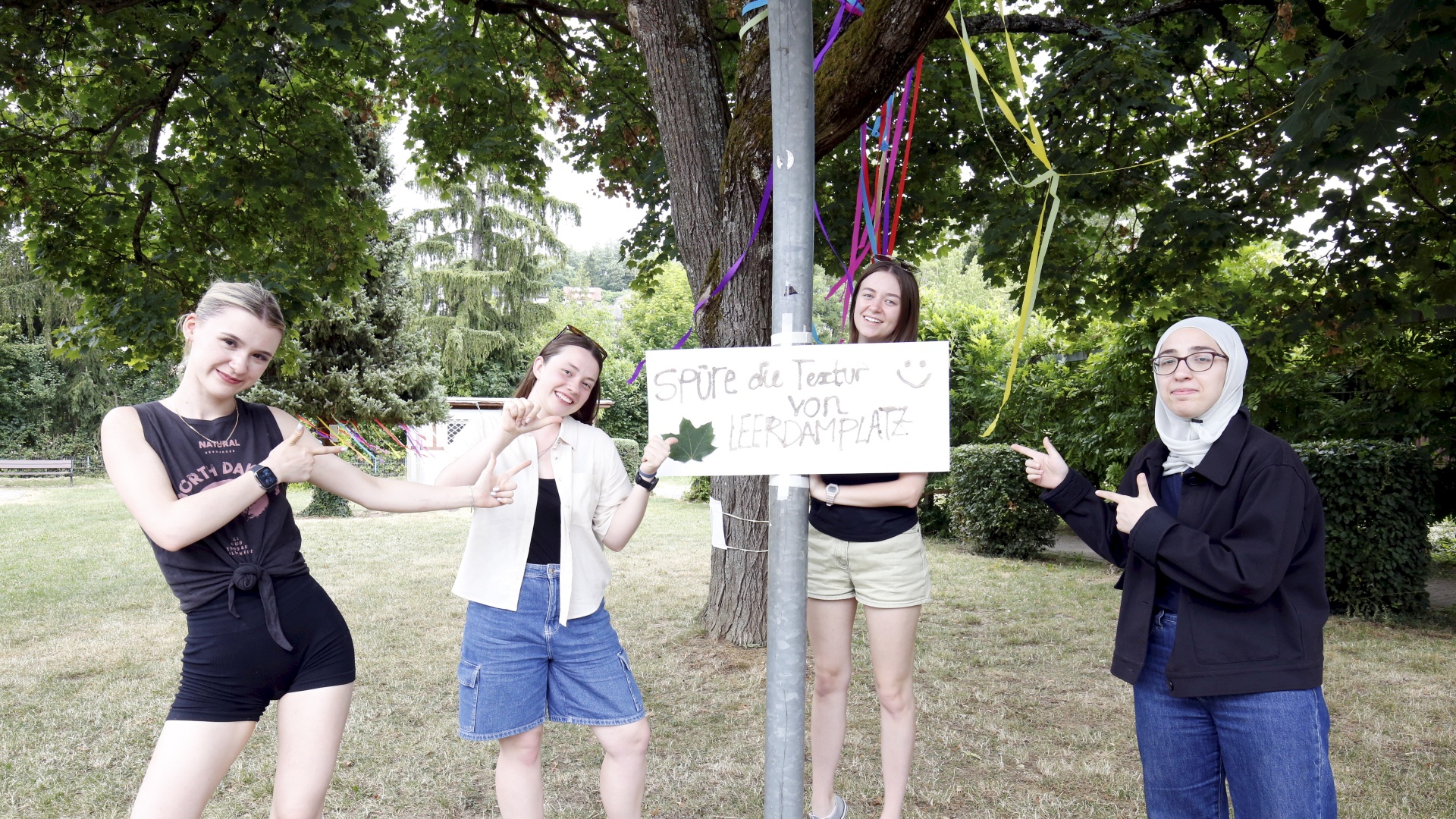
As part of a joint educational program, 15 Ukrainian architecture students and faculty members were at KIT. Whether during the day at the workshop in Pfinztal or at night in Karlsruhe, their homeland is never far from their minds.
How did you like the article? Feel free to use our new rating feature on the right edge of the screen and let us know what you think! This will help us improve our content.
Participation is voluntary and anonymous.
Oleksandra Hehedosh switched off the “Air Alert” app during her time at KIT. The architecture and urban planning student at Lviv Polytechnic National University uses it to receive warnings about drone attacks occurring within a 15-kilometer radius. It is “creepy”, she says, but essential for survival in a country that has been under attack by Russia since February 2022.
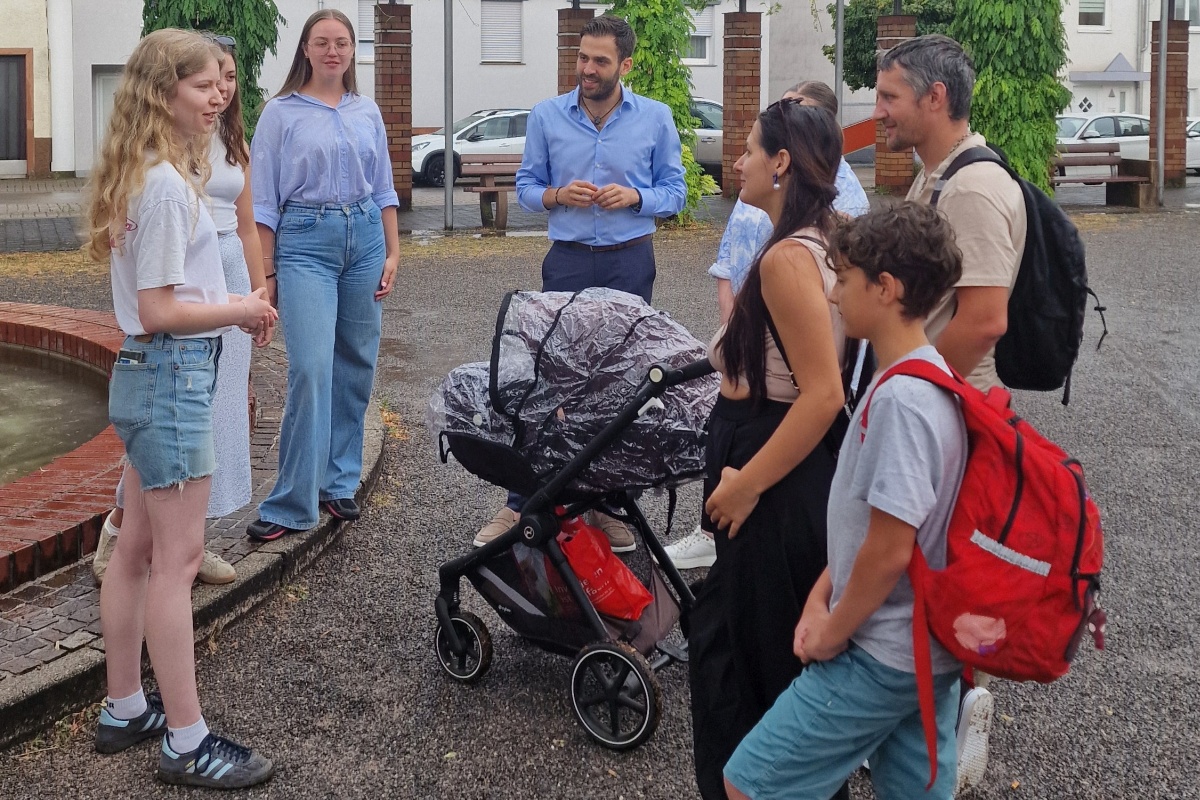
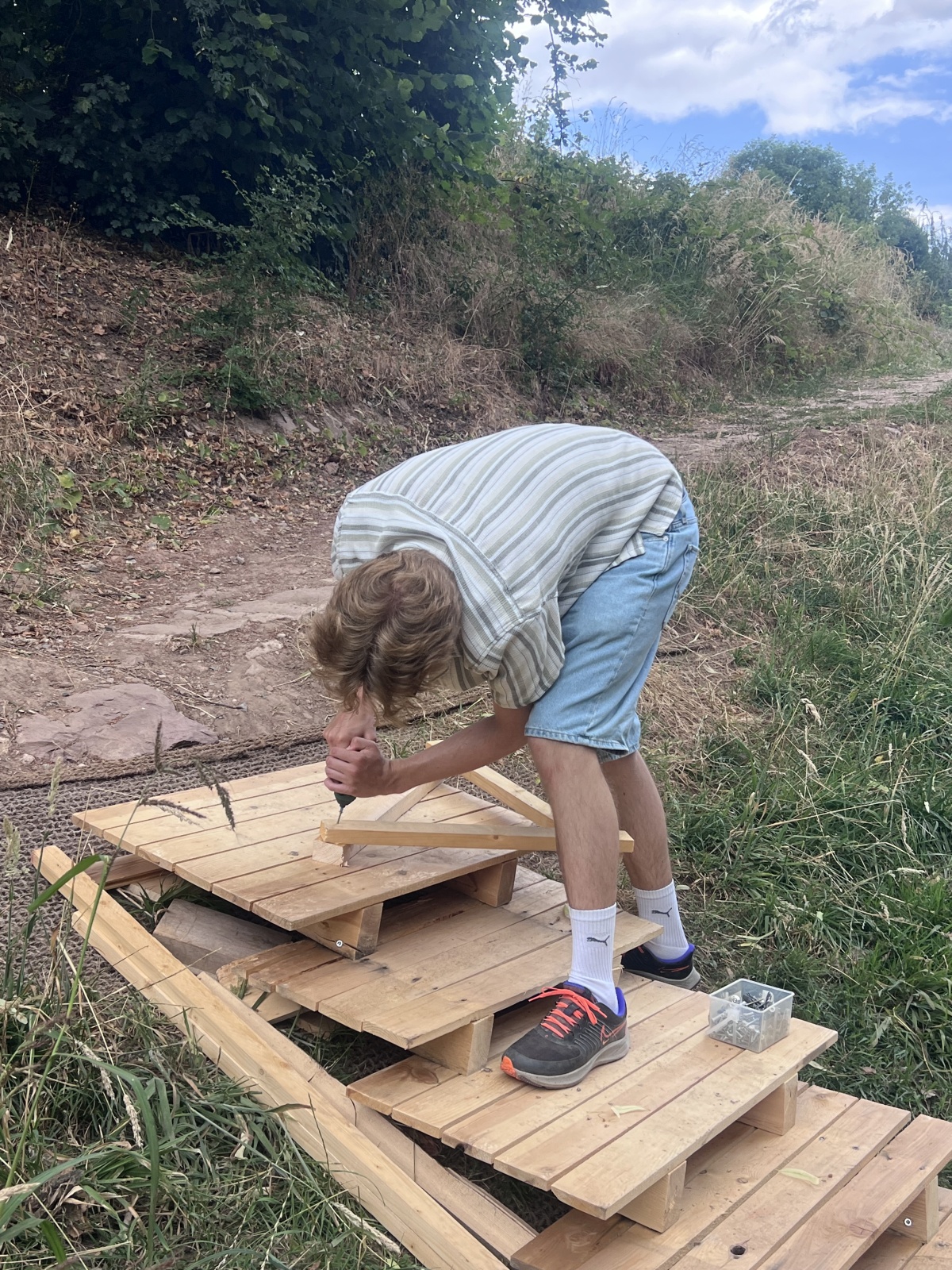
Around 1,400 kilometers farther west, Oleksandra does not need the app and can focus entirely on her task: How could the municipality of Pfinztal become more resilient in the future? Together with 15 other students and faculty members from the universities of Kharkiv, Kyiv, Lviv, and Odesa, as well as students from KIT, she is developing ideas on how suburban areas and public spaces can be enhanced for the future.
Resilience and sustainability are the focus of the German-Ukrainian project Competence Network of Urban Transformation and Resilience (CNTUR). The program, funded by the German Academic Exchange Service (DAAD), was established by Professor Barbara Engel from KIT’s Institute for Urban and Landscape Design. Its long-term goal is to build a joint urban planning teaching program between KIT and the Ukrainian universities participating in the project. Since 2025, Ukrainian students have been able to attend KIT lectures online and participate in various workshops together with KIT students, such as last year when they took part in a workshop in Estonia.
But learning from Pfinztal for Ukraine? Is that not a bit far-fetched? “Not at all,” laughs Kateryna Rodynchuk, also from Lviv. “We already have similar situations in Ukraine, or we will soon face them: Municipalities have been destroyed in wars and rebuilt, and people from rural areas want to move to the city. These are major demographic shifts. That is why it is interesting to study this here.” Some of the students’ proposals for Pfinztal include recognizing and embracing nature within the urban environment, creating places for social interaction such as playgrounds, and building bridges across geographical barriers such as streams or roads.
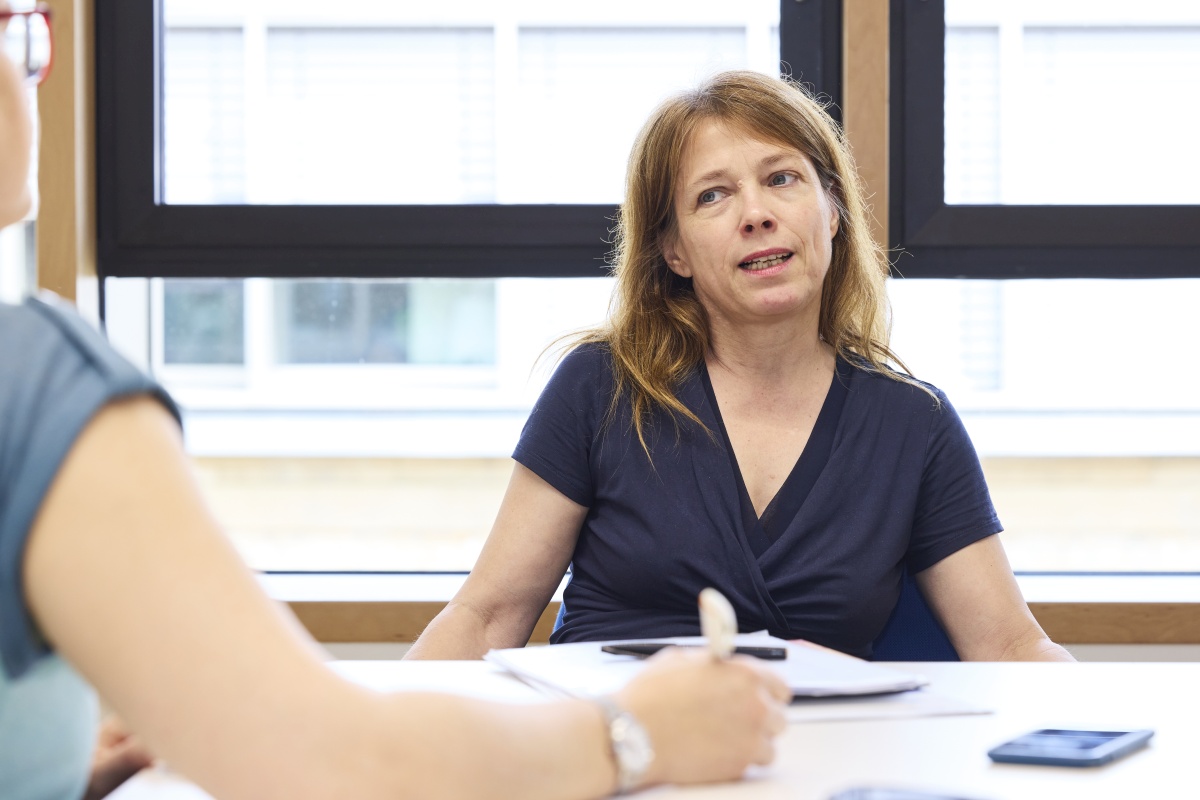
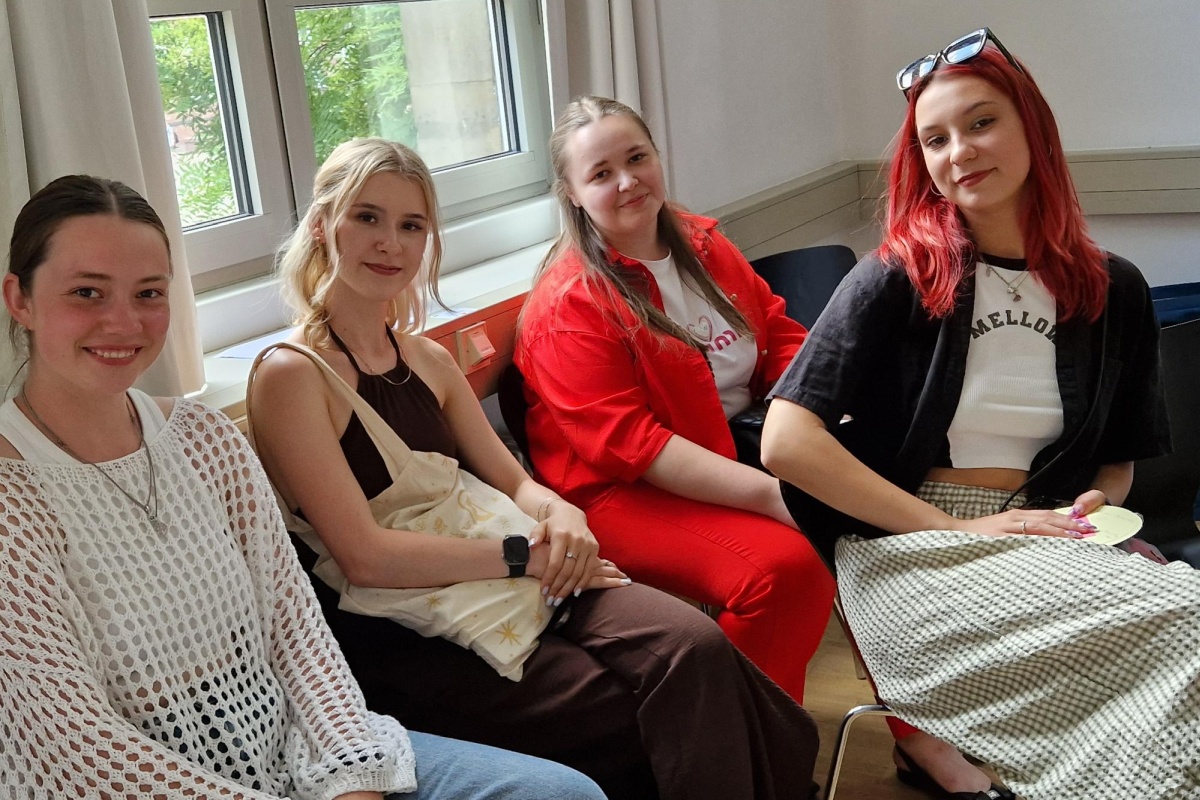
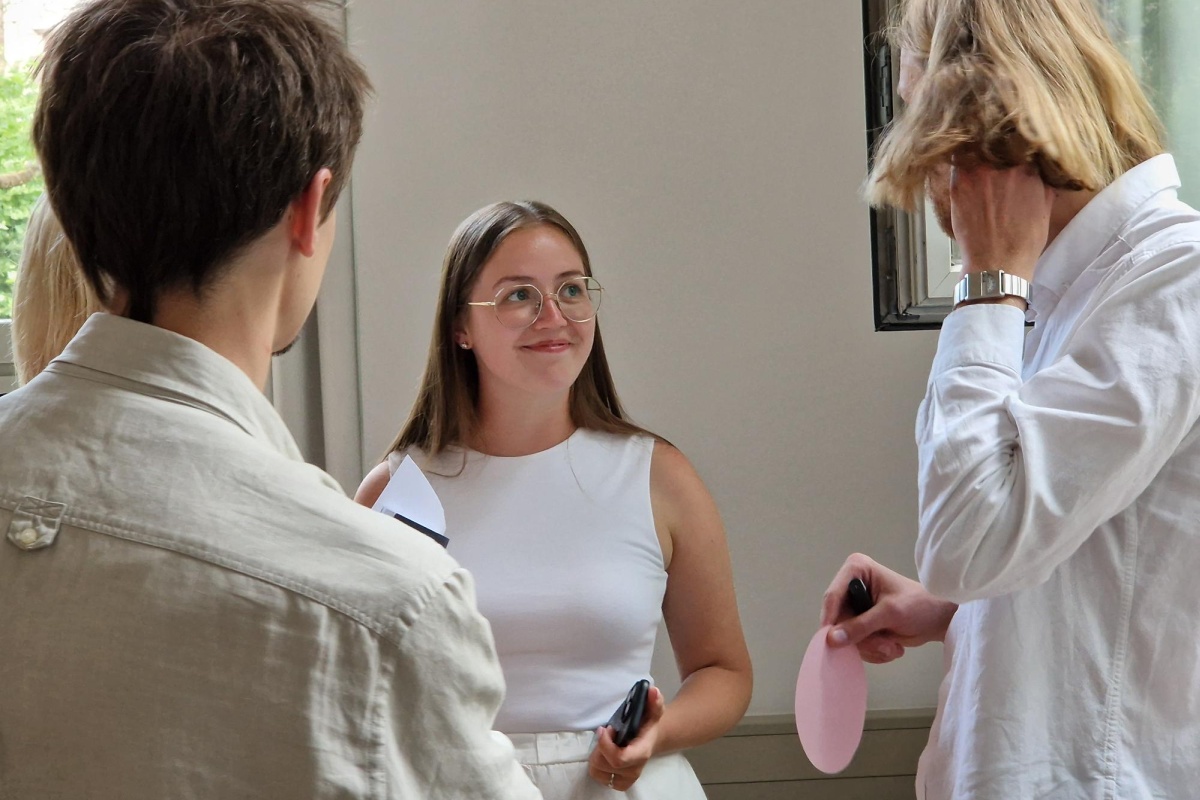
At the end of the semester and their time at KIT, Oleksandra and Kateryna look back with satisfaction. The exchange program, which lasted several months, provided them with new insights, not only regarding subject matter but also research methods, presentation skills, and approaches to teaching. However, both would have liked more direct collaboration with the German students, as well as discussions about protective shelters, which have become an essential topic in architecture for them. “When I was a teenager, I also just wanted to build beautiful houses,” recalls 22-year-old Kateryna. “However, I wrote my master’s thesis on hospitals and rehabilitation clinics for soldiers and injured people. Such facilities exist in Lviv, but not in other cities. After the war, it will be important to have this infrastructure.”
Before returning to Ukraine, the students take one more long walk through the streets of Karlsruhe at night. “We are no longer allowed to be outside in the evenings. Here, you can simply go for a walk until one or two o’clock in the morning,” Oleksandra says with a smile.
Isabelle Hartmann, August 6, 2026