
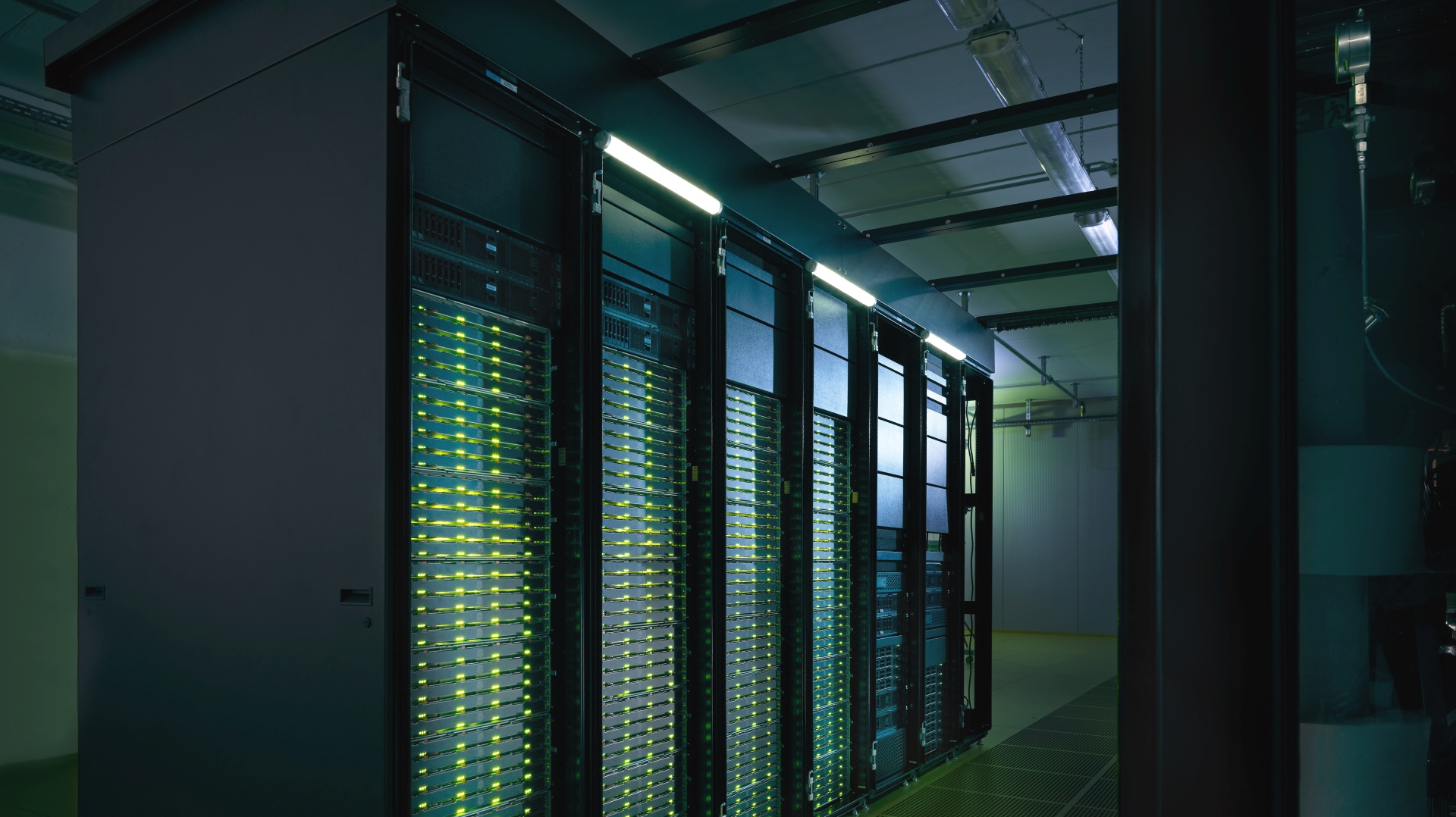
Good Question: How Do We Handle Growing Amounts of Data and the Energy Demand of Data Centers in Research?
Researchers today produce more data than ever before. At the same time, AI is increasing the energy requirements of data centers. How can both be organized responsibly? Professor Achim Streit explains why good research data management and new concepts for data centers go hand in hand.
Mr. Streit, how do we deal with the vast amounts of digital data that are being generated in more and more research disciplines?
We need to consider right from the start how we will deal with this data in the future: Is this data that we will be working with continuously, or can it be archived in a timely manner? Because if we back up data on magnetic tapes instead of storing it on hard drives for ongoing use, it requires virtually no power. It just takes a little longer to access it again.
We also need a better understanding of data management. It is easy to store data, but you also need descriptive data to find it again. Without this descriptive data, it is like not labeling moving boxes – in the end, you don’t know where anything is. In general, however, we need more moving boxes in research data management – that means, more data storage space, and that costs money.
And how do we deal with the growing energy requirements of data centers?
AI has very high energy requirements. We therefore have to ask ourselves what we should or must actually use AI for in our everyday lives. Because even if digital services appear to be free, there are always costs in the background, especially energy costs. AI is run on efficient graphics processors, but these still consume a lot of electricity.
At KIT, however, we do not just see data centers as electricity consumers: the electrical energy that flows into a data center is converted into heat energy. We are therefore researching how we can reuse this thermal energy instead of simply releasing it unused into the environment. We can use it to heat buildings in winter – and we already do – or we are working on new concepts to supply research facilities at KIT with thermal energy all year round. If data centers are intelligently integrated into their environment, a lot of CO₂ can be saved overall in the future.
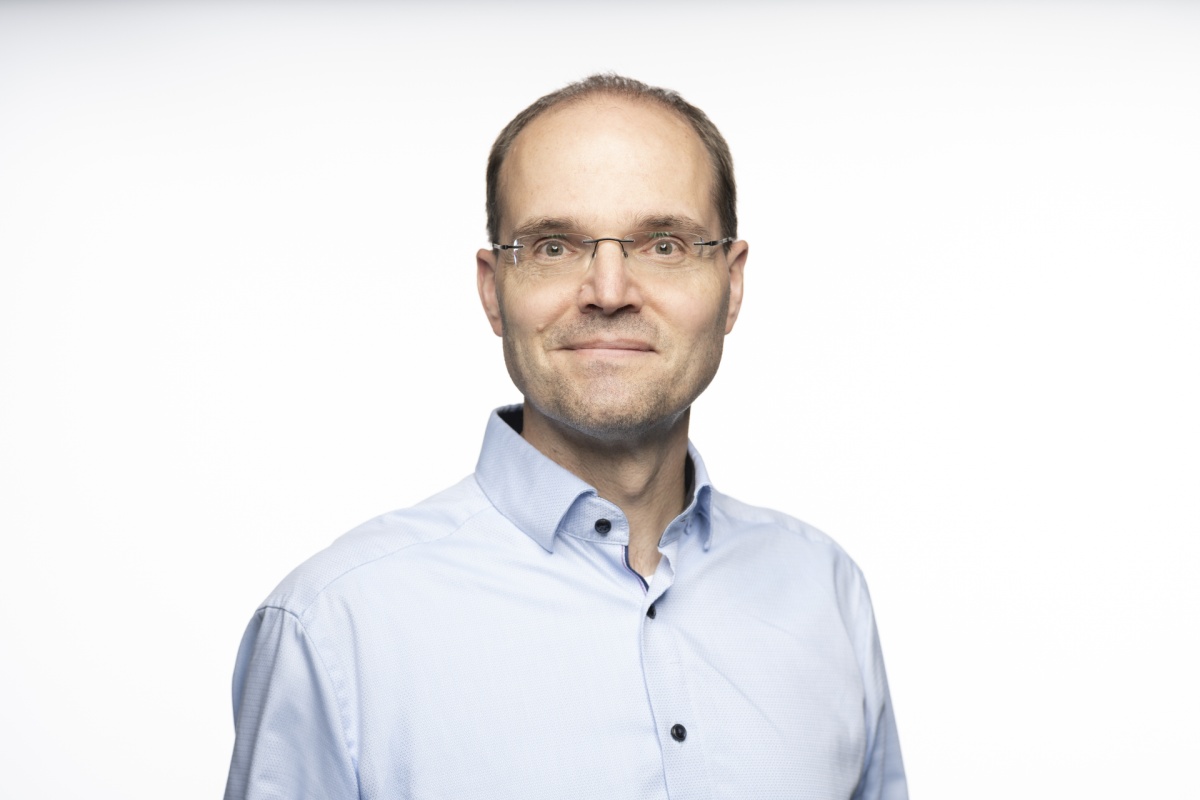
About the person
Achim Streit studied computer science at TU Dortmund University and has been one of the directors of the Scientific Computing Center (SCC) at KIT since 2010. He is also a professor of distributed and parallel high-performance systems at the KIT Faculty of Computer Science, a member of the board of the Helmholtz program “Engineering Digital Futures,” and co-initiator of the Helmholtz-wide Information & Data Science Academy (HIDA).
Do you also have a “good question” about a research topic? Feel free to send it to clicKIT-Magazin∂sts.kit.edu!
Elisa Rachel, March 12, 2026