How did you like the article? Feel free to use our new rating feature on the right edge of the screen and let us know what you think! This will help us improve our content.
Participation is voluntary and anonymous.

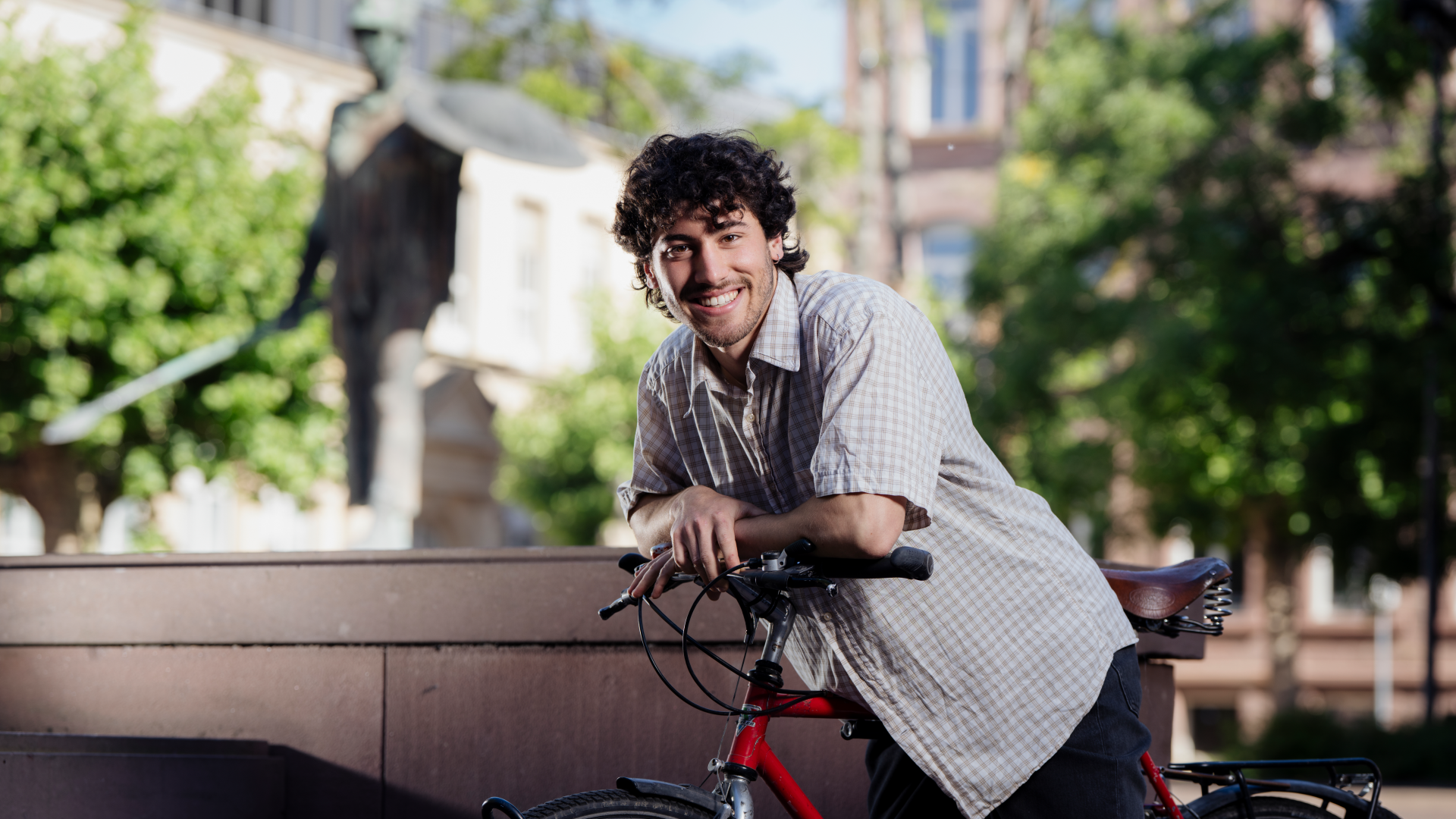
A semester abroad, new friendships, and experiences that last a lifetime: Every year, the Erasmus program enables hundreds of KIT students to venture beyond national borders. One of them is architecture student Luis Schuster. He traveled to Rome by bike for his Erasmus semester and is now sharing his experiences as a KIT Erasmus ambassador in the #OneInOneMillion campaign.
How did you like the article? Feel free to use our new rating feature on the right edge of the screen and let us know what you think! This will help us improve our content.
Participation is voluntary and anonymous.
This year, the number of Erasmus participants from Germany is set to surpass the one-million mark. To mark this milestone, which the National Agency for Erasmus+ Higher Education Cooperation is celebrating with the #OneInOneMillion campaign, students at each participating university are being appointed as Erasmus ambassadors. The anniversary highlights just how successful the European exchange program has become since its launch in 1987.
Erasmus is also growing in popularity at KIT: around 680 participants are expected for the 2026/27 academic year. Ten years ago, the number was around 350. Universities in Spain and Northern Europe are currently particularly in demand. At the same time, many students are rediscovering Italy and France. It doesn’t always have to be a major metropolis. Smaller university towns like Kaunas in Lithuania or Jyväskylä in Finland also offer exciting study opportunities.
Information on partner universities, application deadlines, and funding opportunities is available from the International Students Office (IStO) at KIT. Many students first learn about the possibilities of studying abroad through information sessions held by their faculty.
For Luis Schuster, who is Erasmus ambassador at KIT, it was clear early on that he wanted to spend a semester abroad. The 25-year-old studies architecture at KIT. After completing his bachelor’s thesis, he decided to spend a semester in Rome. “My mother is from Italy. That’s why the country never felt foreign to me,” he explains. “But actually living there and getting to know everyday life is different from being on vacation.”
In addition to his family roots, he was drawn to the opportunity to immerse himself more deeply in another culture. Especially in today's world, he considers international experience to be particularly valuable: “We are experiencing many crises and conflicts. That’s why I think it’s important to get to know other people, cultures, and ways of life. It helps us better understand the world.”
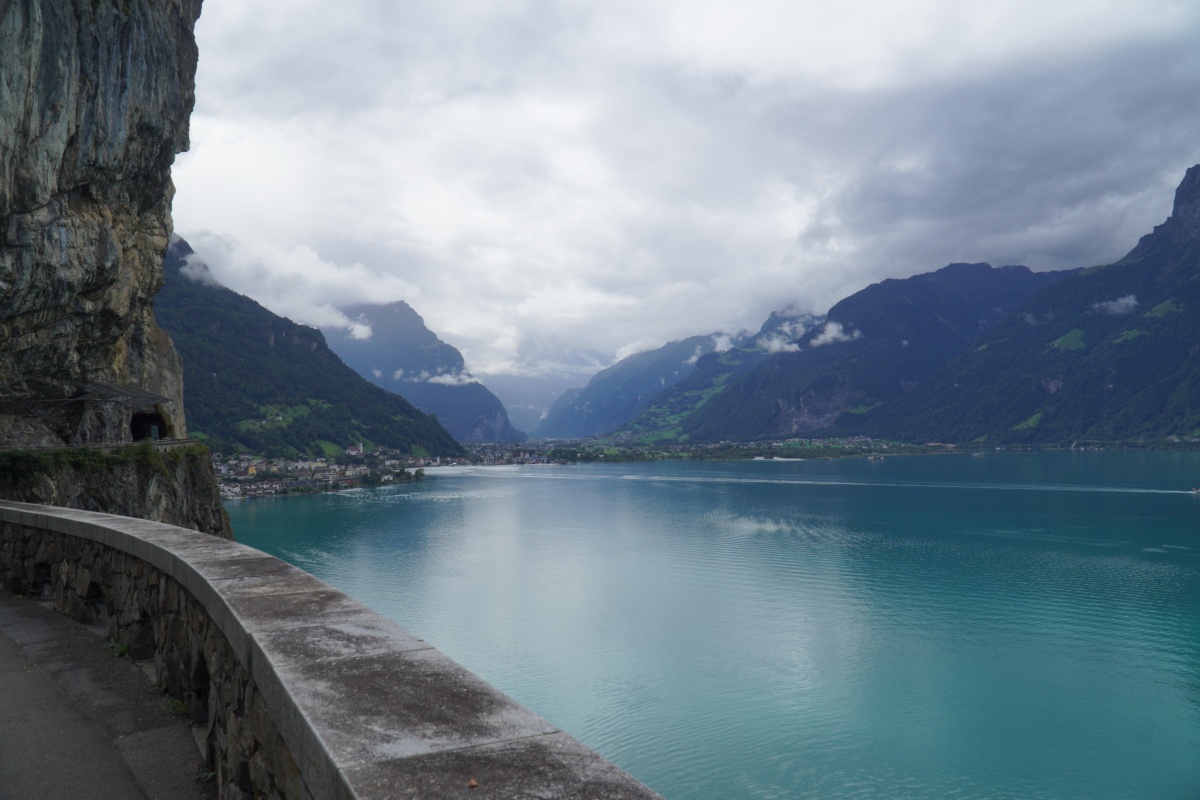
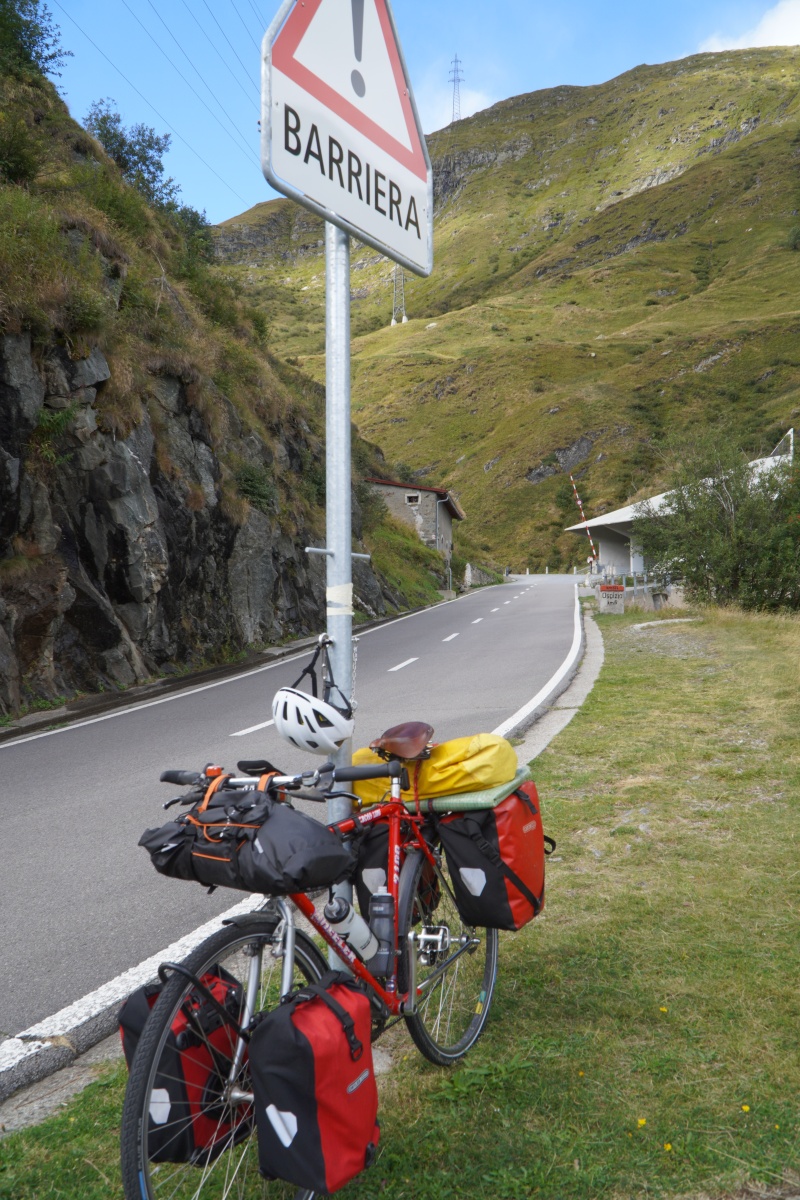
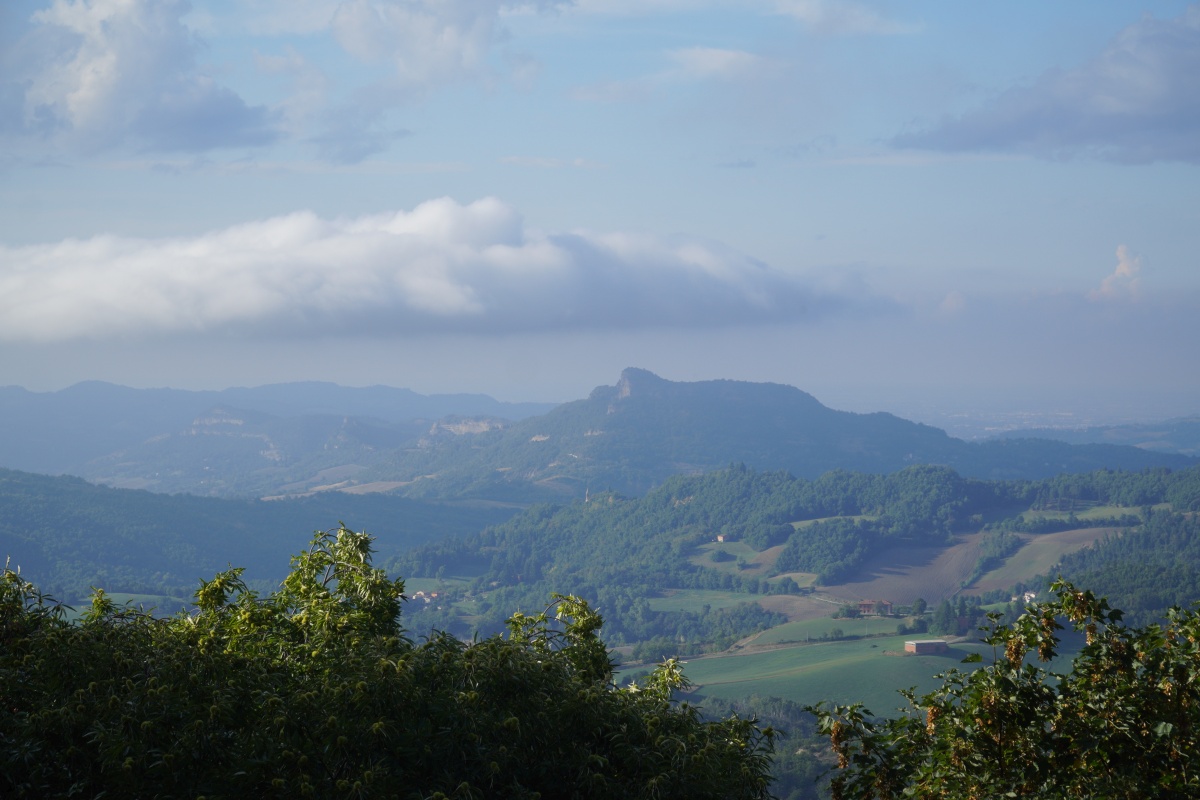
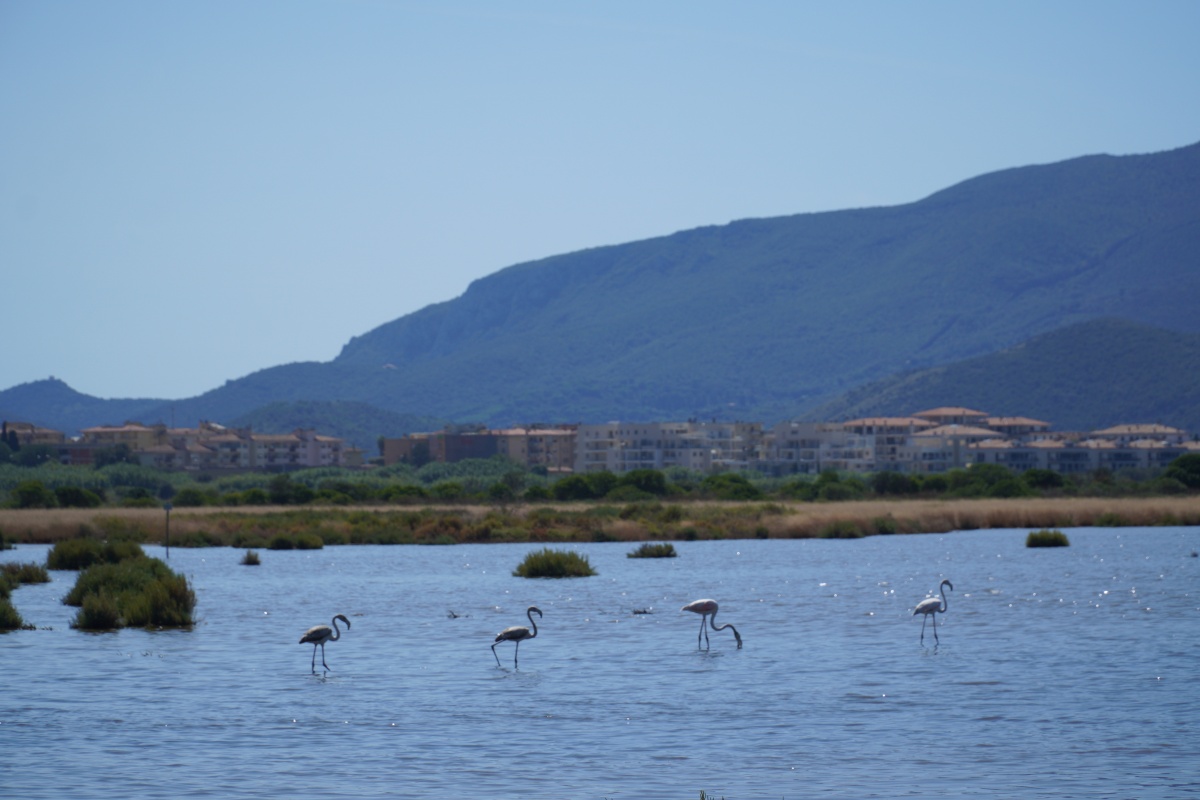
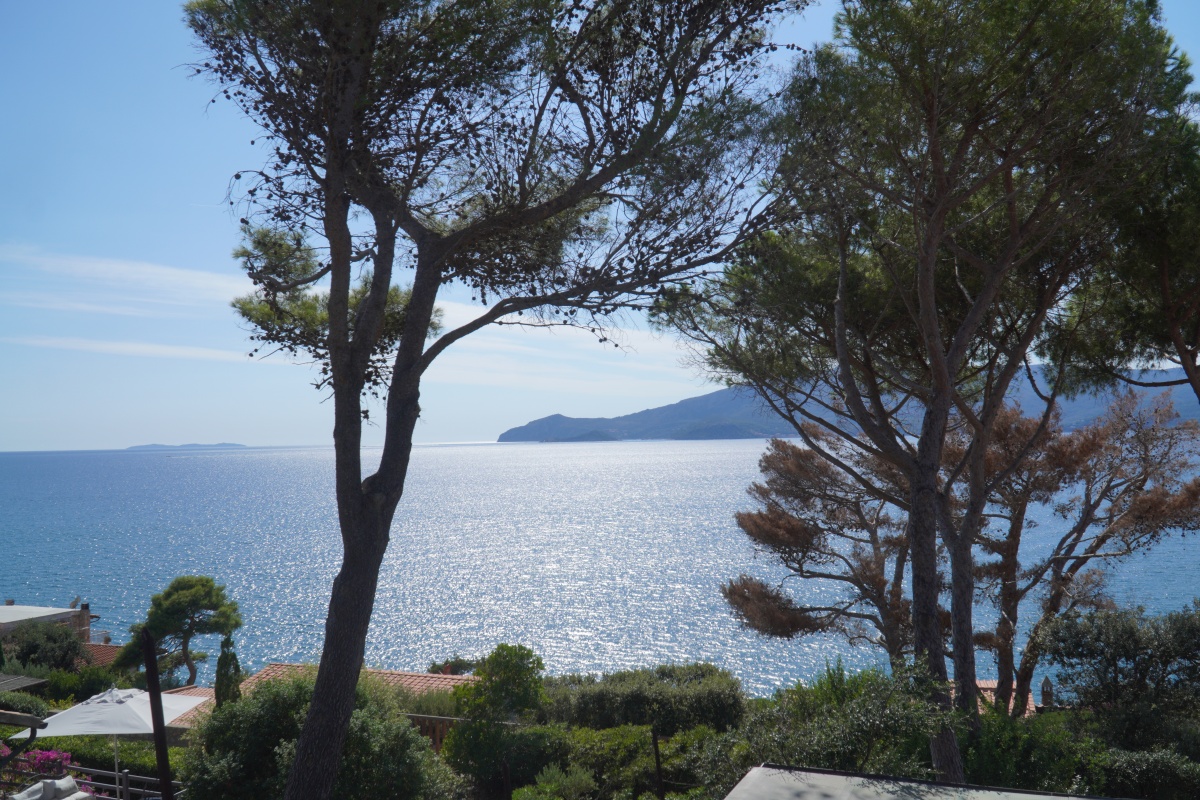
His Erasmus adventure began even before the semester started. Instead of traveling directly to Rome, Luis set off by bike. From Basel, his route took him over the Gotthard Pass, through northern Italy and Tuscany, all the way to the Italian capital. In total, he covered 1,121 kilometers in eleven days.
The journey became more than just a trip to his place of study. In Grosseto on the Tuscan coast, after long mountain stages, he saw the sea for the first time on his tour, went for a swim, and gathered new energy for the final kilometers to Rome. “By now, I’ve definitely experienced and overcome every emotion – and a few I didn’t even know existed before,” he says. The many hours on the bike gave him the chance to find peace. “Spending the whole day outdoors and sitting on the bike nonstop makes you think a lot. It’s a kind of meditation, and you learn to be comfortable with yourself.” The tour fit perfectly with the idea of the Erasmus program: not just getting to know Europe, but consciously experiencing it.
Once he arrived in Rome, Luis first had to get used to the size of the city. He was soon particularly impressed by the Italian way of life. “Life seems more relaxed. You meet up in the morning for coffee and in the afternoon for an aperitivo with friends. A lot of it takes place outdoors.” He also got to know the city itself very well. “You can also explore the city by bike. A dedicated bike route along the Tiber allows you to cross the city in no time.”
Through Erasmus programs and leisure activities, Luis quickly made friends and got to know people from many countries. Looking back, it’s above all the personal experiences that have stayed with him. “Basically, I got to know myself a lot better during that time – what I want, what makes me happy, and what kind of people suit me,” says Luis. For him, that’s the most important insight from his Erasmus semester: International experiences not only broaden your horizons but also help you see your own path more clearly.
If you’re planning an Erasmus semester, Luis advises getting informed early on. The information sessions held by the faculties and the advising services offered by the Mobility Programs team at KIT help you keep track of everything. “At first, the sheer volume of paperwork and deadlines can seem overwhelming,” he says. “But the process is well-organized, and you’re guided step by step.”
His most important tip: Talk to students who have already been to your desired destination. They can provide valuable advice on finding housing, studying, and life there. And he has one more recommendation for anyone interested: “Take advantage of the local opportunities. Erasmus isn’t just about lectures. Meeting people from all over Europe is what makes the experience special.”
The Erasmus program supports not only study abroad stays but also internships, short-term international programs, and staff stays. Among the most active units at KIT is the Department of Architecture, which organizes international teaching projects in addition to traditional student exchanges. These include so-called Blended Intensive Programs, where students and faculty from several European countries collaborate on projects.
Sustainable travel is also playing an increasingly important role. With the #greenchallenge, KIT has been encouraging students since 2022 to travel to their study destination in the most climate-friendly way possible and to share their experiences with others. Luis Schuster is a particularly impressive example of this.
Anyone planning a semester abroad can find support from the IStO with the application process and the search for a suitable partner university. Perhaps the next Erasmus adventure will begin there soon – on two wheels or in a completely different way.
Heike Marburger, June 11, 2026